

Growing internationally: logistics for exporting from Sweden
Plan logistics for selling from a Swedish warehouse to other markets: delivery promise, item data, EU vs non-EU customs and VAT, export flow and returns.
Practical explanations of how outsourced warehousing and fulfillment work in Sweden – from choosing a 3PL partner to receiving, picking, returns and system integration.
Looking for a definition? See the logistics glossary.
Guides for companies outside Sweden planning stock, imports and distribution through a Swedish warehouse.
Plan logistics for selling from a Swedish warehouse to other markets: delivery promise, item data, EU vs non-EU customs and VAT, export flow and returns.

Importing into Sweden is a customs and a logistics process. Who does what – seller, forwarder, customs party, 3PL, goods owner – and how goods reach stock.
How to plan logistics for entering the Swedish and EU market from abroad: workstreams, responsibilities, process and when Sweden makes sense for stock.

How warehouse location affects lead times and delivery precision in Sweden – and why a site near the E4 between Gävle, Uppsala and Stockholm helps.
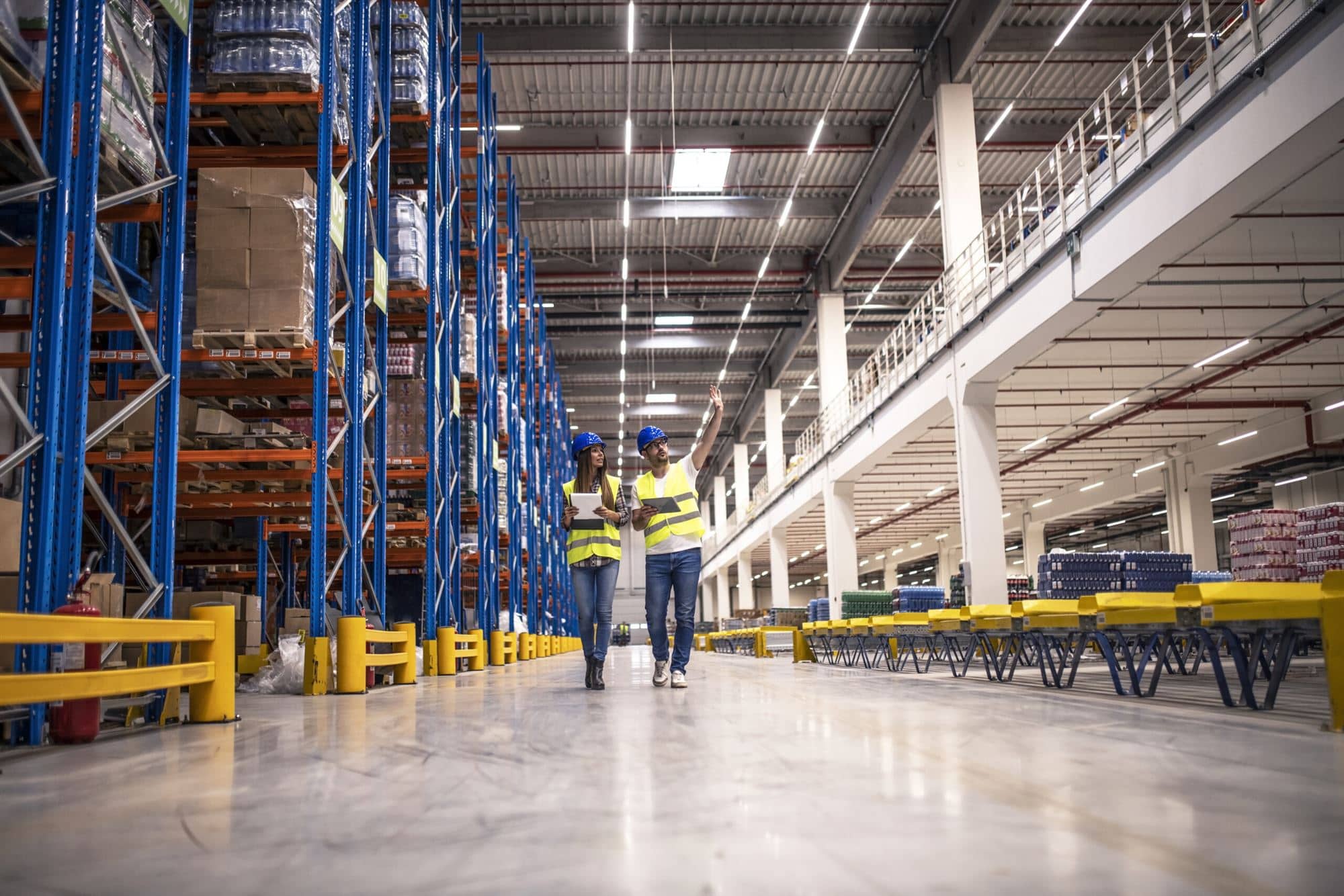
Why stock in Sweden can shorten delivery times to Swedish customers, simplify returns and improve control – for Swedish and foreign online retailers.
What third-party logistics is, what it costs, and how to choose and move to a 3PL partner.

When to leave your own warehouse, the benefits of 3PL and how to move step by step: data, integration, physical move, pilot and follow-up – plus a checklist.

How 3PL is priced, the biggest cost drivers, how to calculate a monthly cost and compare quotes with your own warehouse – and why flexible pricing matters.
Why third-party logistics can suit smaller online stores too: when it makes sense, the benefits, what to look out for and what to ask a 3PL partner.

How a 3PL partner's experience shows in daily routines – structure from the start, fewer errors, calm handling of change – and the questions that reveal it.
Personal service in 3PL: why clear communication and customer focus decide how well the partnership works, and what to look for when comparing providers.
Why standard warehouse setups rarely fit everyone, what a tailored 3PL solution means for small and large companies, and what to ask a warehouse partner.
How ecommerce orders, deliveries, peaks and returns are handled in an outsourced warehouse.

A step-by-step plan for ecommerce peaks: usable forecasts, campaign calendar, inbound timing, slotting, staffing, packaging, returns and follow-up.

What delivery accuracy means, which warehouse steps decide it – order data, picking, packing, labelling, dispatch – and how scanning and a WMS keep it high.
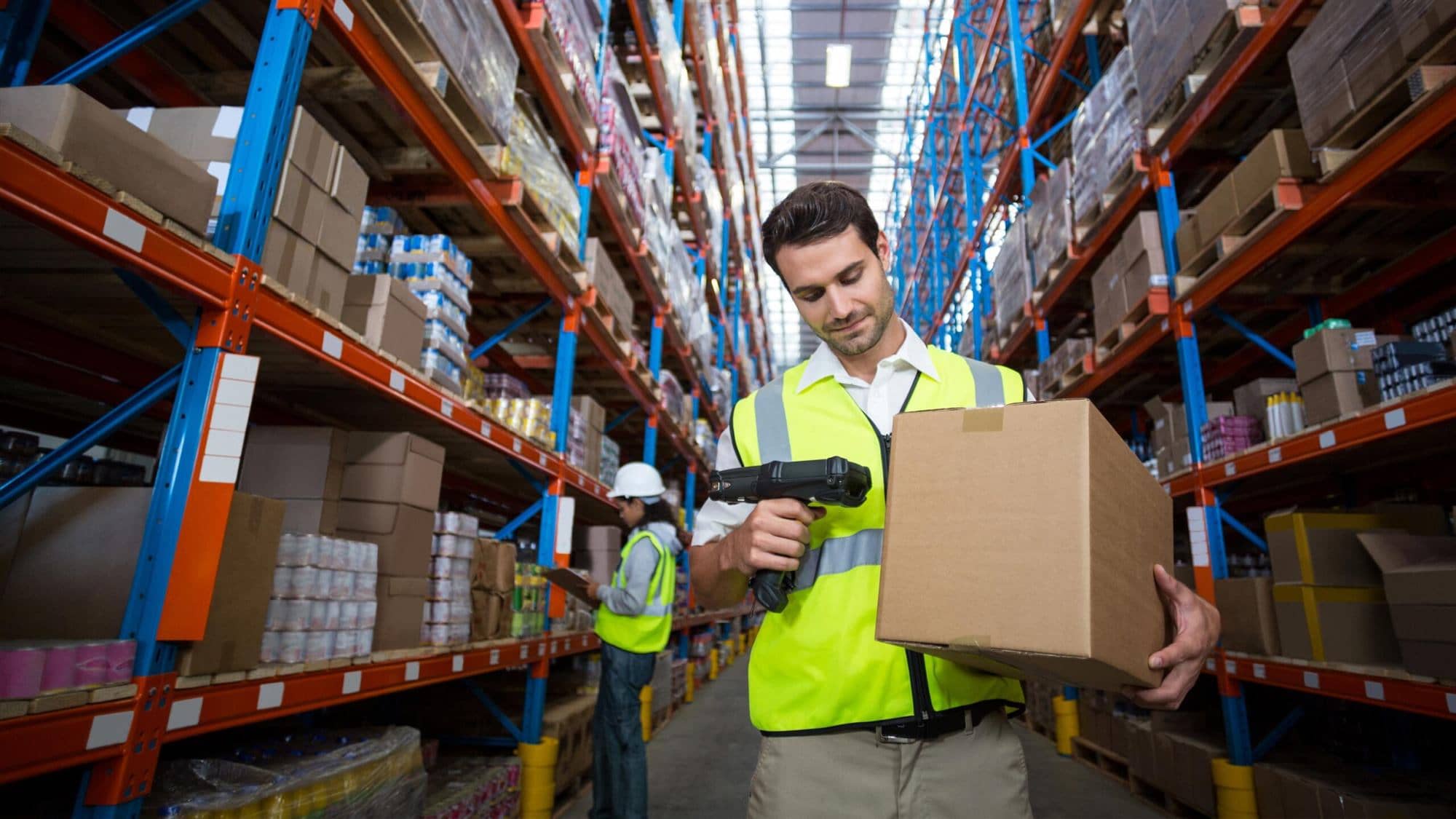
Why delivery speed shapes customer satisfaction and repeat purchases – and what decides how fast orders ship: location, structure, peak capacity and systems.
How to design an ecommerce returns flow that saves money and keeps customers happy: policy, identification, inspection, fast restocking, KPIs and a checklist.
What ecommerce fulfillment includes, step by step – from needs analysis and receiving to picking, packing, shipping and returns – and when to outsource.
Pallet and carton flows, planned deliveries and the differences between B2B and B2C warehousing.
Pallet goods vs carton goods: the different storage, handling and workflows each needs in a warehouse, and what to ask a 3PL that must handle both.
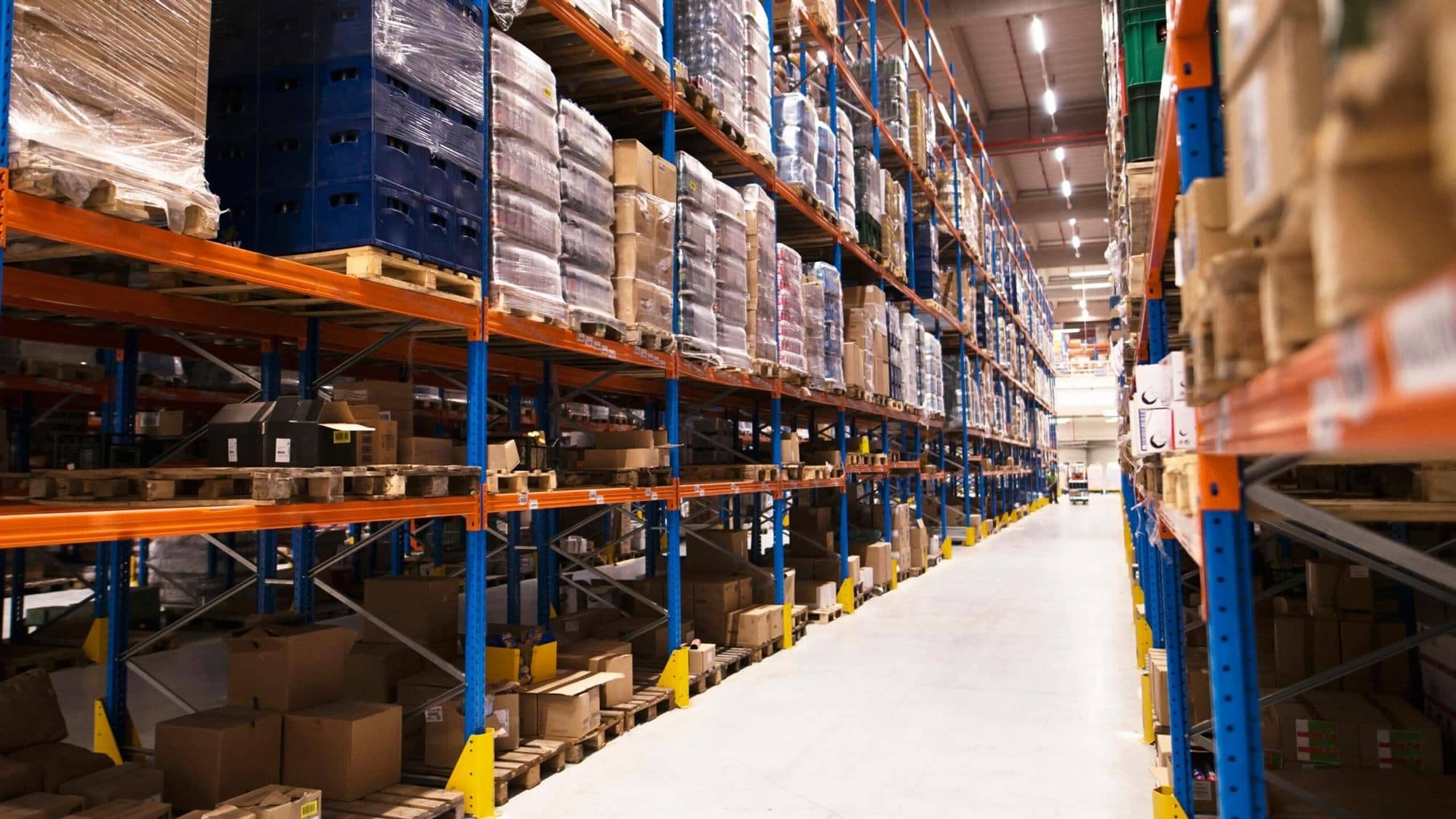
Planned B2B deliveries give better control of outbound: clearer overview, even workload, fewer mistakes and higher delivery precision. What a good setup needs.
B2B vs B2C logistics: how order profile, picking, packing, delivery, documents and returns differ – and how one 3PL warehouse serves both from shared stock.
Receiving, picking, scanning, stocktaking, loading and other day-to-day warehouse processes.
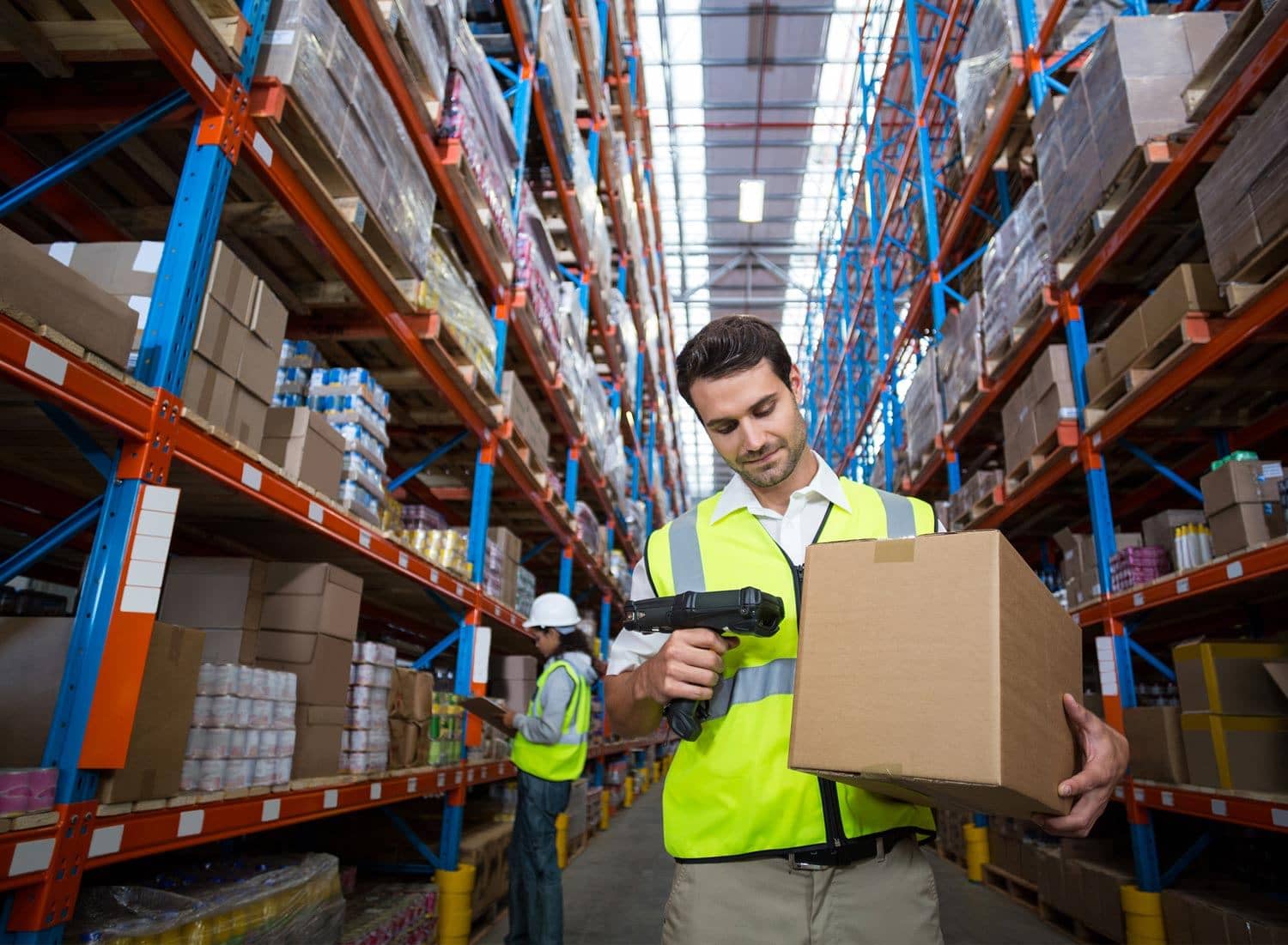
Why stocktaking matters for accurate stock balances, why deviations occur, full vs cycle counts, how scanning helps and what to ask a 3PL about stock control.
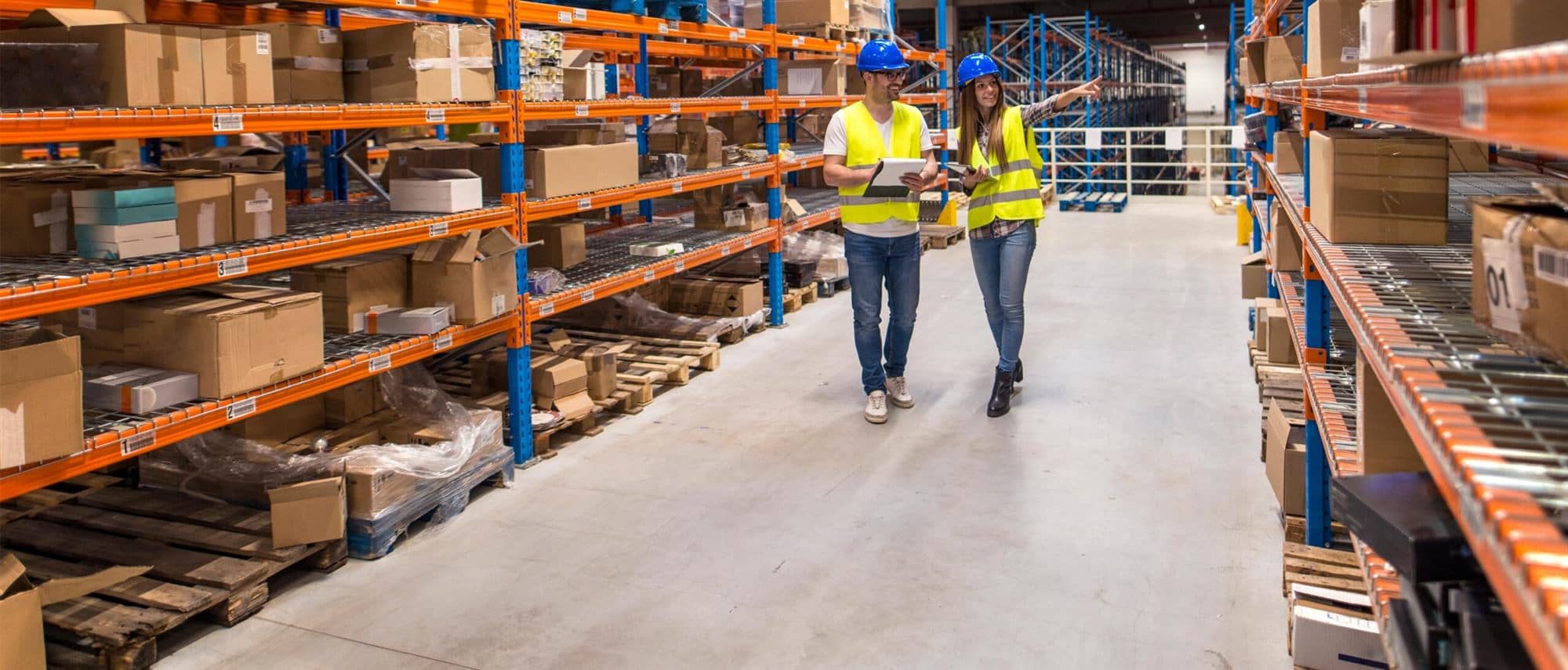
Peak and off-peak seasons in warehouse logistics: the risks of fixed capacity, what a good setup looks like in high and low season, and what to ask a 3PL.
Security in 3PL: reliable receiving, stable warehouse handling, safe picking and dispatch, scanning and follow-up – and what to ask your 3PL partner.
Item setup and stock listing are the foundation of a structured warehouse: faster picking, fewer errors, reliable stock balances and easier growth.
Why receiving and registering orders and customer data correctly decides picking accuracy, delivery precision and follow-up in a 3PL warehouse.

How inventory management and pick lists create order in the warehouse, faster picking and higher delivery precision – and what to ask a 3PL about it.
Warehouse management systems and connecting webshops and ERPs to a 3PL.
How a webshop and 3PL integration works: the data that must flow, Shopify and WooCommerce with Ongoing WMS, common problems and a go-live test plan.
What a WMS does for ecommerce and 3PL visibility, how data flows between your webshop and Ongoing WMS, and what to check before go-live.
Tell us about your products, expected volumes, sales channels and current systems. We will go through which 3PL setup could fit – without obligation.
Or call +46 294 400 40 · info@karlholm-logistics.se · Monday–Friday 07:00–16:00 (Swedish time, CET/CEST)