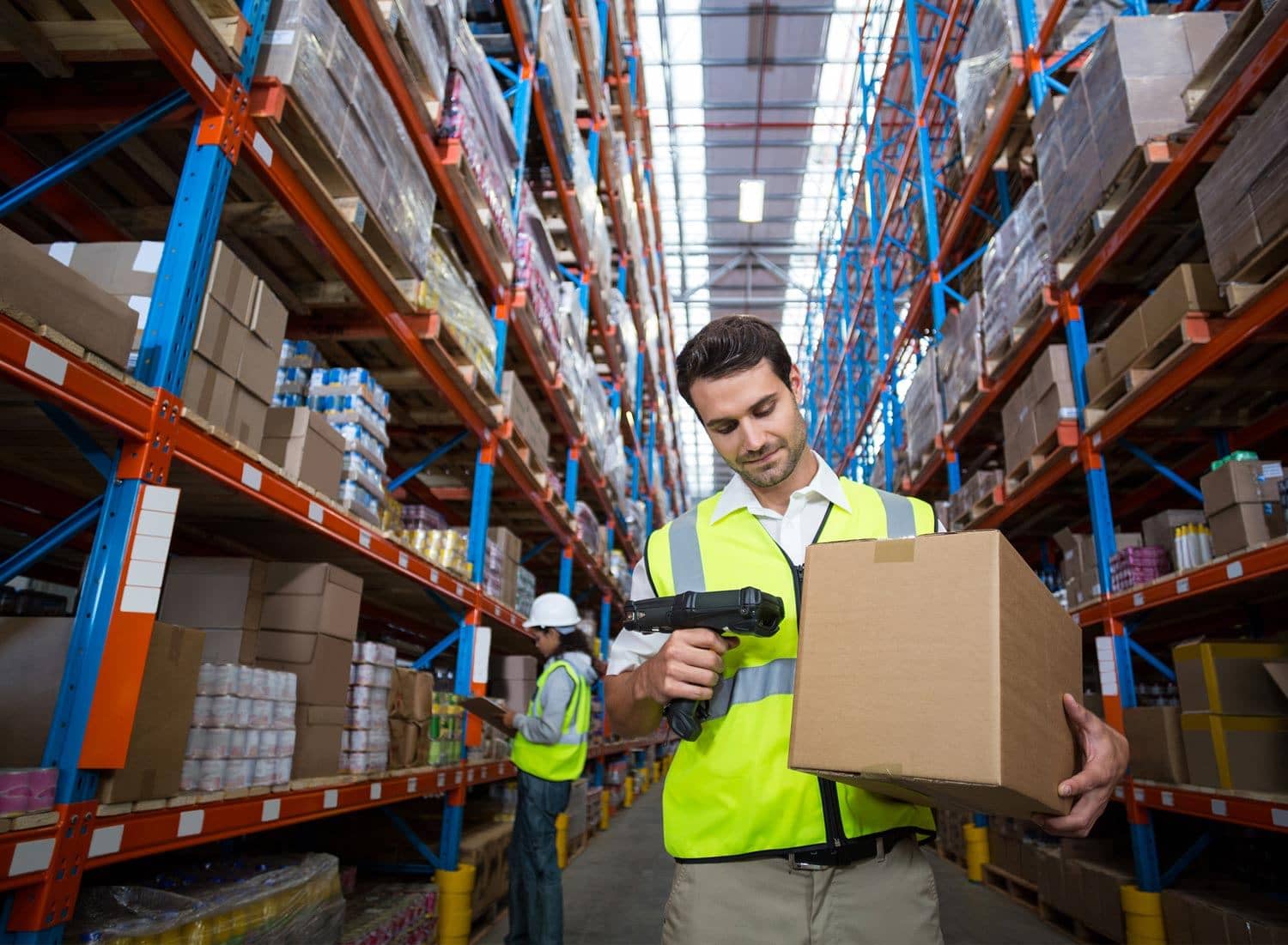
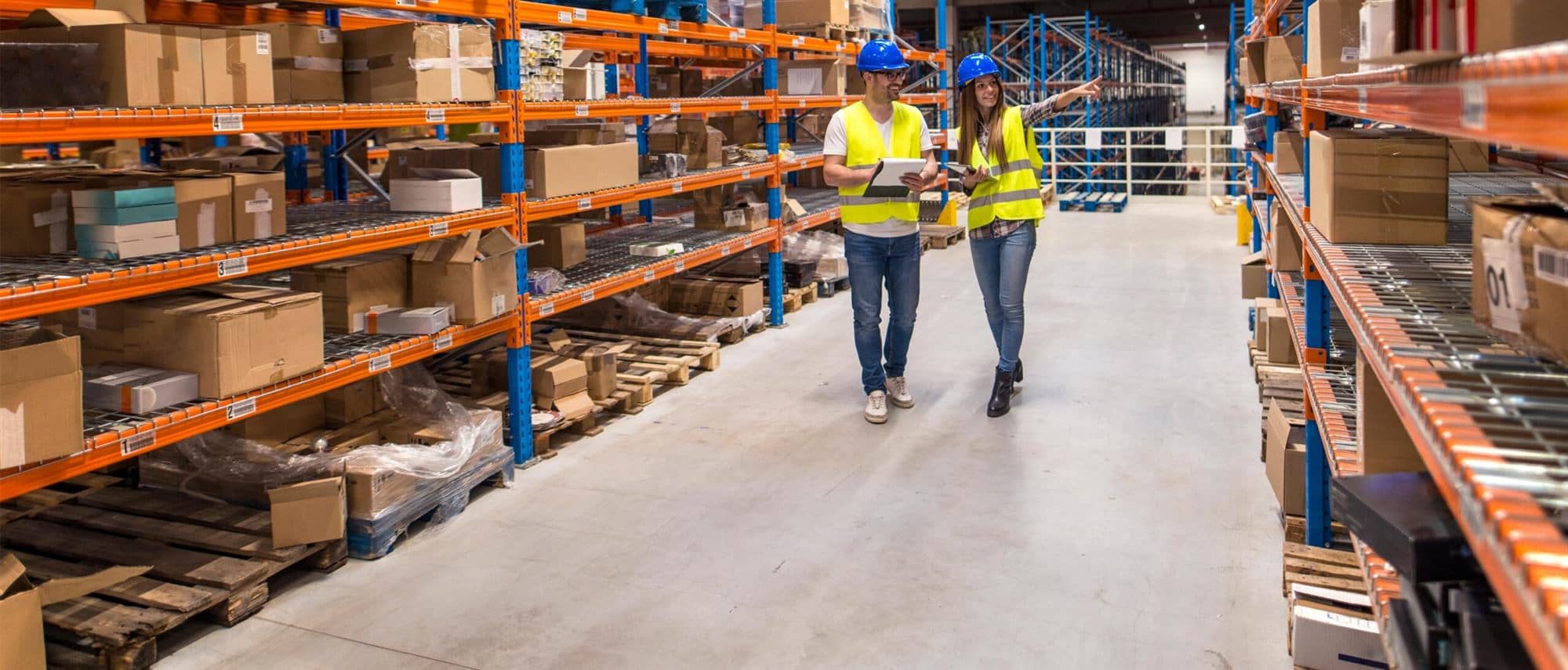
What high and low season mean
High season means a period with a higher load than normal – because of campaigns, recurring seasonal variation, larger inbound deliveries or temporary sales peaks. Low season means the need for warehouse space, handling or dispatch is lower than during the peaks. For companies with clear variation, using exactly the same setup all year means either losing efficiency or paying for more than you need.
Why it is a challenge
Warehousing costs money even when the pace drops. Stuck in a solution that cannot be adjusted, a company easily pays for overcapacity in quiet periods – and may still struggle to scale up quickly when high season arrives:
- too much capacity in quiet months
- too little capacity when the pressure rises
- harder planning of resources and space
- higher risk of bottlenecks at peaks
- a poorer balance between cost and actual use
Flexibility makes a bigger difference than you think
When the warehouse solution can follow actual needs, you use more capacity when it is really needed and reduce it when pressure falls – more cost-effective, without compromising quality. Our solutions are flexible and tailored, with the resources to handle high season and the option to scale down in low season to save money.
A good solution in high season
- Enough capacity – the warehouse handles more goods without the workflow losing structure or pace.
- Clear processes – receiving, picking, packing and dispatch work methodically, so quality holds as pressure rises.
- Scaling up without chaos – not just handling high volume in theory, but a way of working that makes scaling up controlled. See preparing for Black Friday and Christmas.
A good solution in low season
- A lower unnecessary cost level – the setup can be adjusted so you are not stuck with more space or capacity than needed.
- Order is maintained – quieter periods are a chance to keep control and plan the next peak better.
- A better balance between use and price – this is where flexible pricing makes the most difference. See 3PL pricing.
Who benefits most
Companies with recurring seasonal peaks, campaigns that affect order volume, varying storage needs over the year, a wish to avoid building in-house capacity for the maximum level, or a need for better cost control. When capacity can follow the season, costs stay closer to actual use – you pay less for idle resources in quiet periods and get better support when the load rises.
Questions to ask a logistics partner
- How do you scale up in high season?
- How can the solution be scaled down in quieter periods?
- How does the cost change when needs change?
- How do you handle campaigns and temporary peaks?
- How do you keep quality when the pace increases?
These questions show whether a setup is really flexible, or only sounds flexible in theory.
Frequently asked questions
What is high season in warehouse logistics?
Periods when order volumes, inbound deliveries or the load on the warehouse are higher than normal.
Why is flexibility between seasons important?
So the company can move between higher and lower needs without getting stuck at the wrong cost level or with too little capacity.
How does a 3PL help with seasonal variation?
A flexible 3PL solution can provide more resources in high season and let you scale down in quieter periods.
This article is an English edition of content first published in Swedish by Karlholm Logistics. It explains common practice and describes how a setup can work; the exact scope for your business is agreed during onboarding.