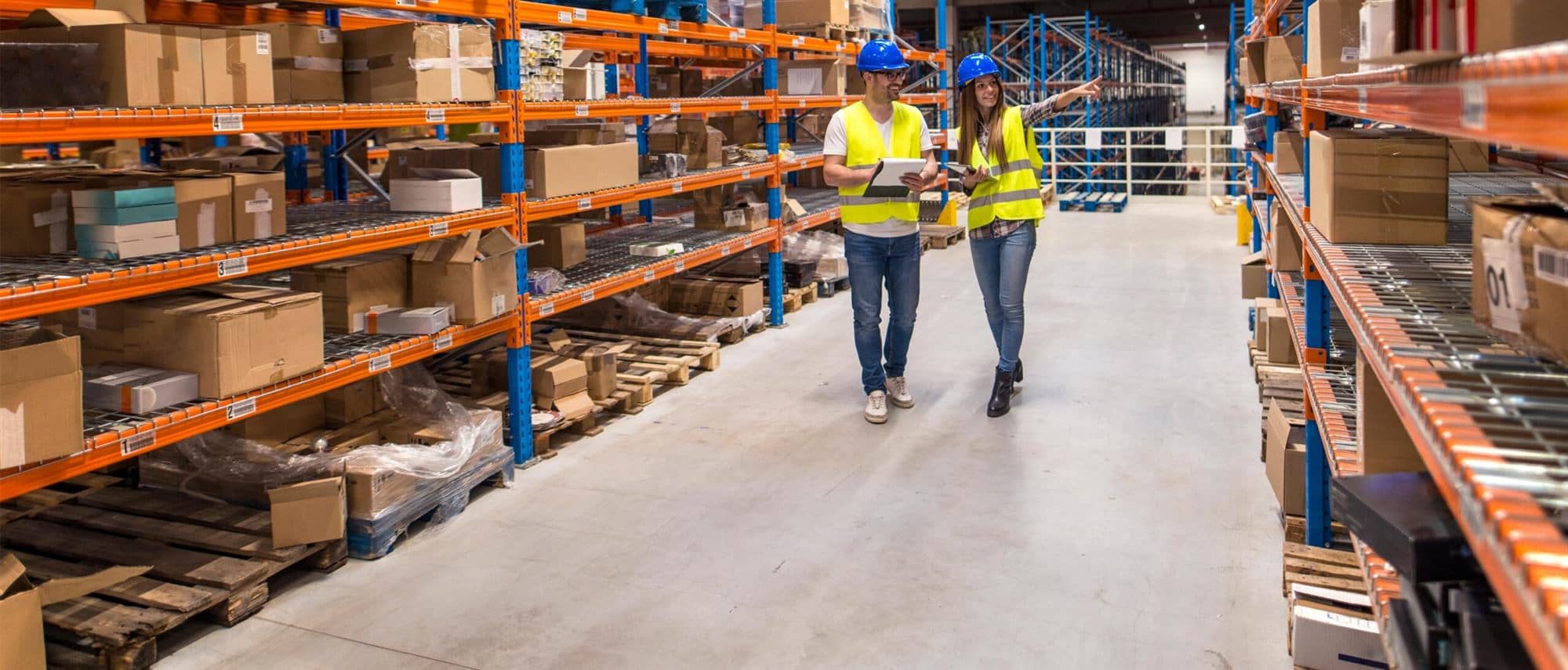

Stocktaking is not just counting products once a year. In a well-run warehouse, stock control is an ongoing process where physical goods and registered balances must match. With a 3PL this is even more important: the warehouse is run by an external partner, and you need to be able to trust the information in the system.
What stocktaking is
The actual number of products in the warehouse is checked and compared with the registered balance, so that the stock information is correct and any deviations are found and investigated. It can mean checking the whole warehouse at one time, or regularly counting smaller parts of the range – which method fits depends on warehouse size, number of items and how intensive the goods flow is.
Why accurate stock balances matter
The stock balance affects far more than the warehouse. In ecommerce, wrong stock information can let a customer buy a product that does not exist; in B2B it can affect larger deliveries, planning and relationships with recurring customers. Accurate balances give:
- better control of which products actually exist
- less risk of selling goods that are out of stock
- easier purchasing and stock planning
- fewer problems in order handling
- stronger delivery precision
Why deviations occur
Even in a well-organised warehouse, deviations happen: registration errors, mis-picks, damage, returns not registered correctly or goods put in the wrong location. The larger and more active the warehouse, the more important routines that catch differences before they become big problems.
How regular stocktaking helps
- Deviations are found earlier, before they grow.
- Stock balances become more reliable, giving better decisions for warehouse staff and your company.
- Order handling becomes safer – fewer orders created for products that are not available.
- Purchasing improves – easier to plan replenishment and future purchases.
Full stocktake or cycle counting?
A full stocktake checks large parts or the whole warehouse at the same time. Cycle counting checks smaller parts regularly during the year. For businesses with many items and a high flow of goods, cycle counting is valuable because deviations are found earlier and the work is spread over time. Both terms are in the glossary.
How scanning helps
When items and locations can be registered digitally, manual lists disappear and it is easier to compare the result with the warehouse management system: faster registration, fewer typing errors, better traceability, easier follow-up of deviations and more reliable stock information. See scanning at every step.
What a wrong stock balance can cost
A product that is missing although the system shows stock leads to delays, refunds, extra customer service and unhappy customers. If it happens often, purchasing planning suffers and capital ends up tied in the wrong products.
Stocktaking improves the warehouse too
Stocktaking also provides information to improve the setup: if certain items often show deviations, it may be time to review their location, picking routines or registration. It becomes a tool for improving logistics, not just a check of what has already happened. Inventory accuracy can be followed as a KPI – see SLAs and KPIs.
What to ask a warehouse partner
- How do you work with stocktaking?
- Do you carry out ongoing cycle counts?
- How are deviations handled?
- How is scanning used in stocktaking?
- How quickly is the stock balance updated after a correction?
Stocktaking is part of our 3PL service at Karlholm Logistics.
Frequently asked questions
What is stocktaking?
Counting the actual number of products in the warehouse and comparing it with the registered stock balance, so deviations can be found and investigated.
What is the difference between a full stocktake and cycle counting?
A full stocktake checks all or large parts of the warehouse at once; cycle counting checks smaller parts regularly throughout the year.
This article is an English edition of content first published in Swedish by Karlholm Logistics. It explains common practice and describes how a setup can work; the exact scope for your business is agreed during onboarding.