
This page is operational guidance, not legal, customs or tax advice. Karlholm Logistics acts as warehouse operator. We are not your customs representative, importer of record, VAT representative or customs-warehouse operator unless such a role has been separately verified and agreed.
A Swedish warehouse without building your own operation
For many international companies, the first European or Nordic requirement is not sophisticated automation – it is reliable space, clear inventory control and a warehouse partner that can receive, store and release goods correctly.
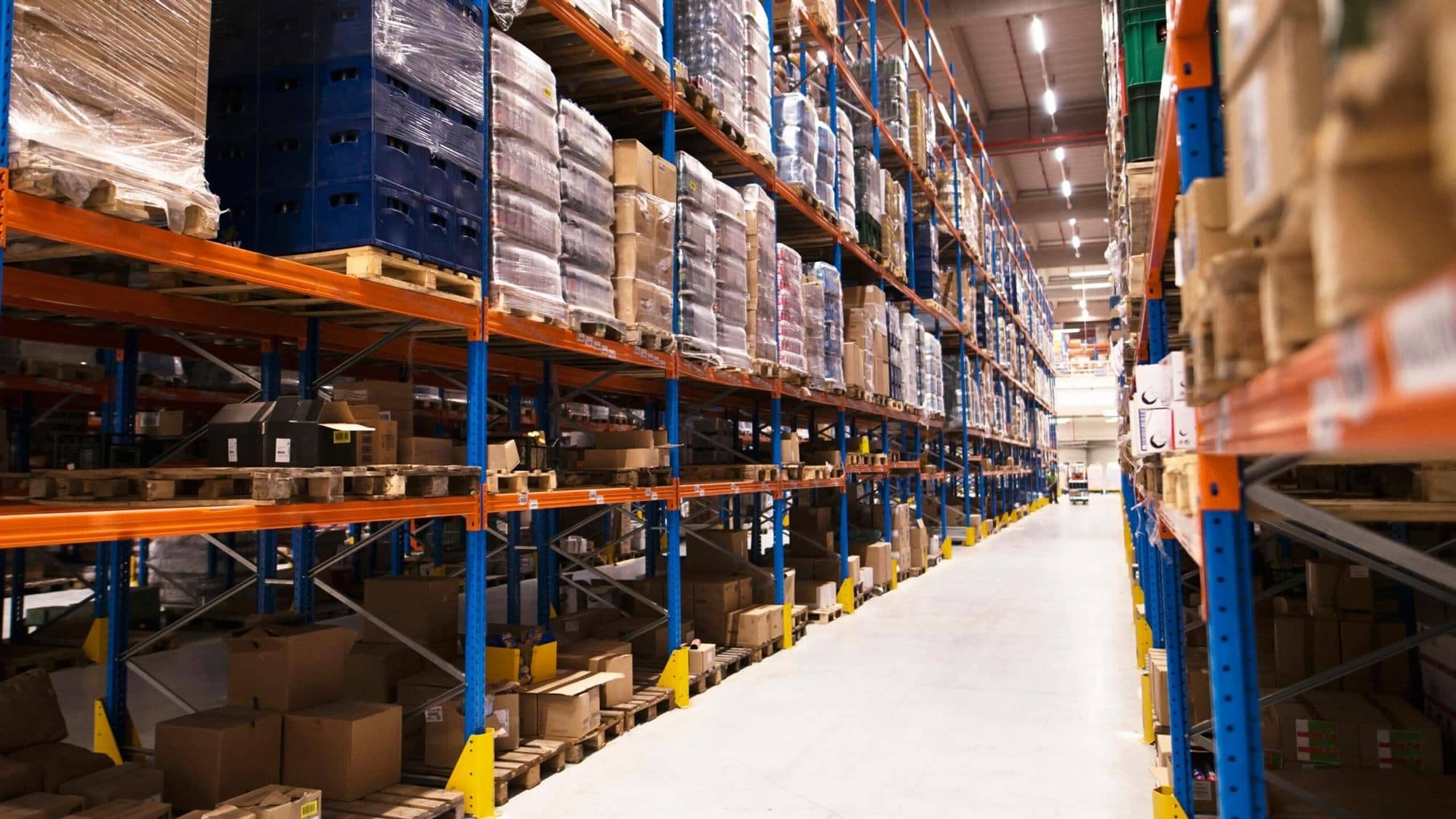
- Pallet storage – inbound pallets received and stored with agreed identification and location rules.
- Flexible warehouse handling – pallets broken down, goods labelled or inventory prepared for the next flow, where agreed.
- Expand into fulfillment – move from storage-only to B2B or ecommerce order handling without moving the stock again.
How the process works
- Define product dimensions, pallet footprint, storage profile and handling restrictions.
- Confirm how inbound goods are cleared and delivered to the warehouse.
- Prepare SKU, barcode and inventory data.
- Receive and reconcile the opening stock.
- Set replenishment, dispatch and stock-count routines.
- Add pick-and-pack or returns workflows when required.
Warehouse models
| Model | When it fits |
|---|---|
| Pallet storage | Products arrive and leave mainly as larger units. |
| Mixed storage | Pallets combined with smaller picking locations. |
| Floor storage | Bulky or irregular goods, where agreed. |
| Buffer inventory | Stock held in Sweden to support demand or seasonal peaks. |
| Fulfillment inventory | Products stored for ongoing order picking and dispatch. |
Warehousing is one layer of the setup
Holding stock in Sweden can affect VAT, customs and commercial processes depending on how goods enter the country and where they are sold. Use this page together with our guides to importing goods from outside the EU and EU market entry logistics, and see several sales channels from one stock if you plan to serve both B2B and B2C customers.
The Swedish Tax Agency publishes information for foreign companies about registration in Sweden. Regulatory requirements change over time; verify the current rules and your exact setup before launch.
Frequently asked questions
Can a non-Swedish company store goods in Sweden?
Yes. Foreign companies can use Swedish warehouse services, but the VAT, customs and business-registration implications depend on your transaction model and should be checked with your advisers.
Do we have to use fulfillment as well?
No. A warehouse relationship can begin with storage and inbound handling, and expand into order fulfillment when you need it.
Can pallet storage and smaller-item storage be combined?
Yes. A mixed setup can be designed when your product and order profile requires both pallet storage and smaller picking locations.