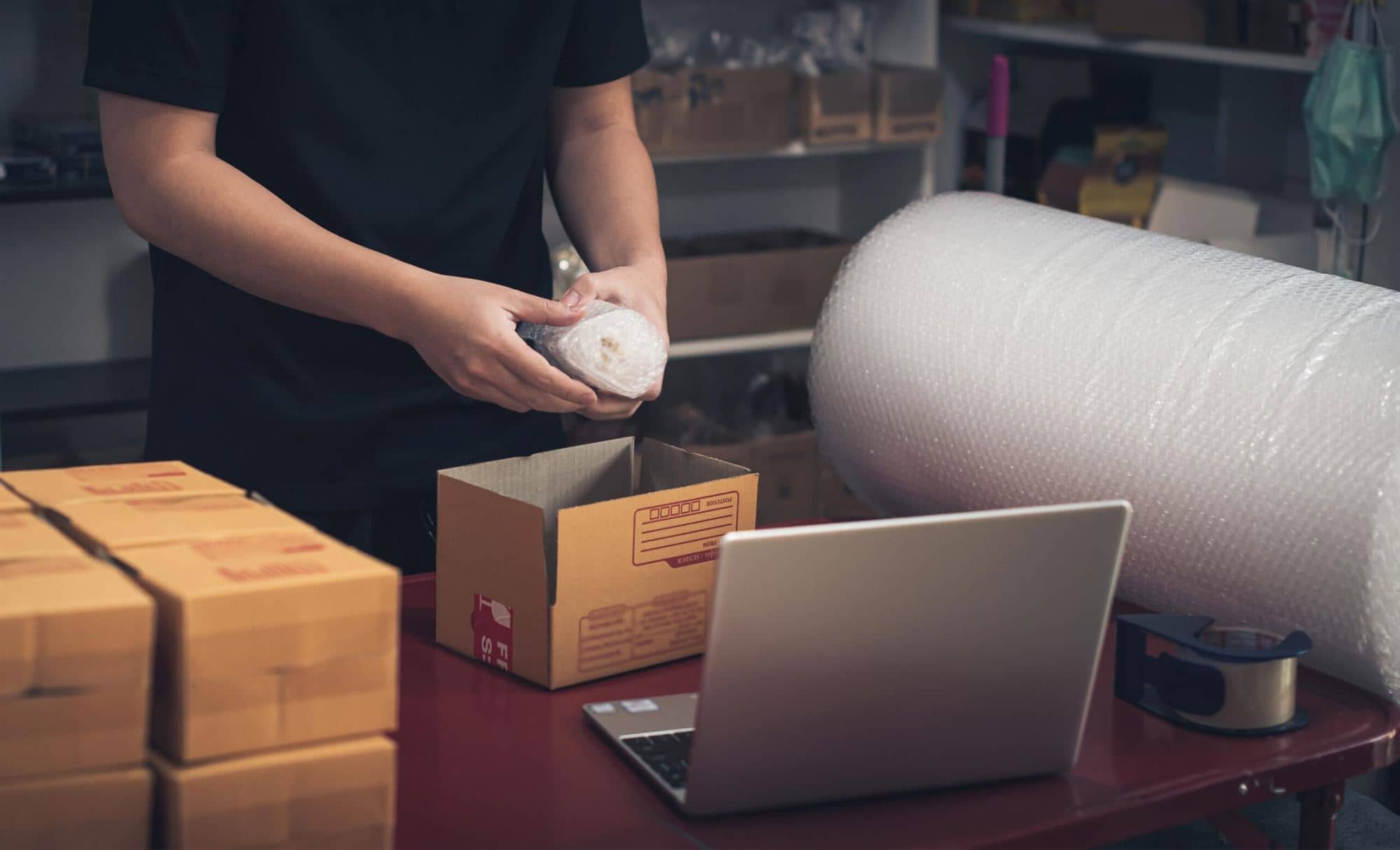
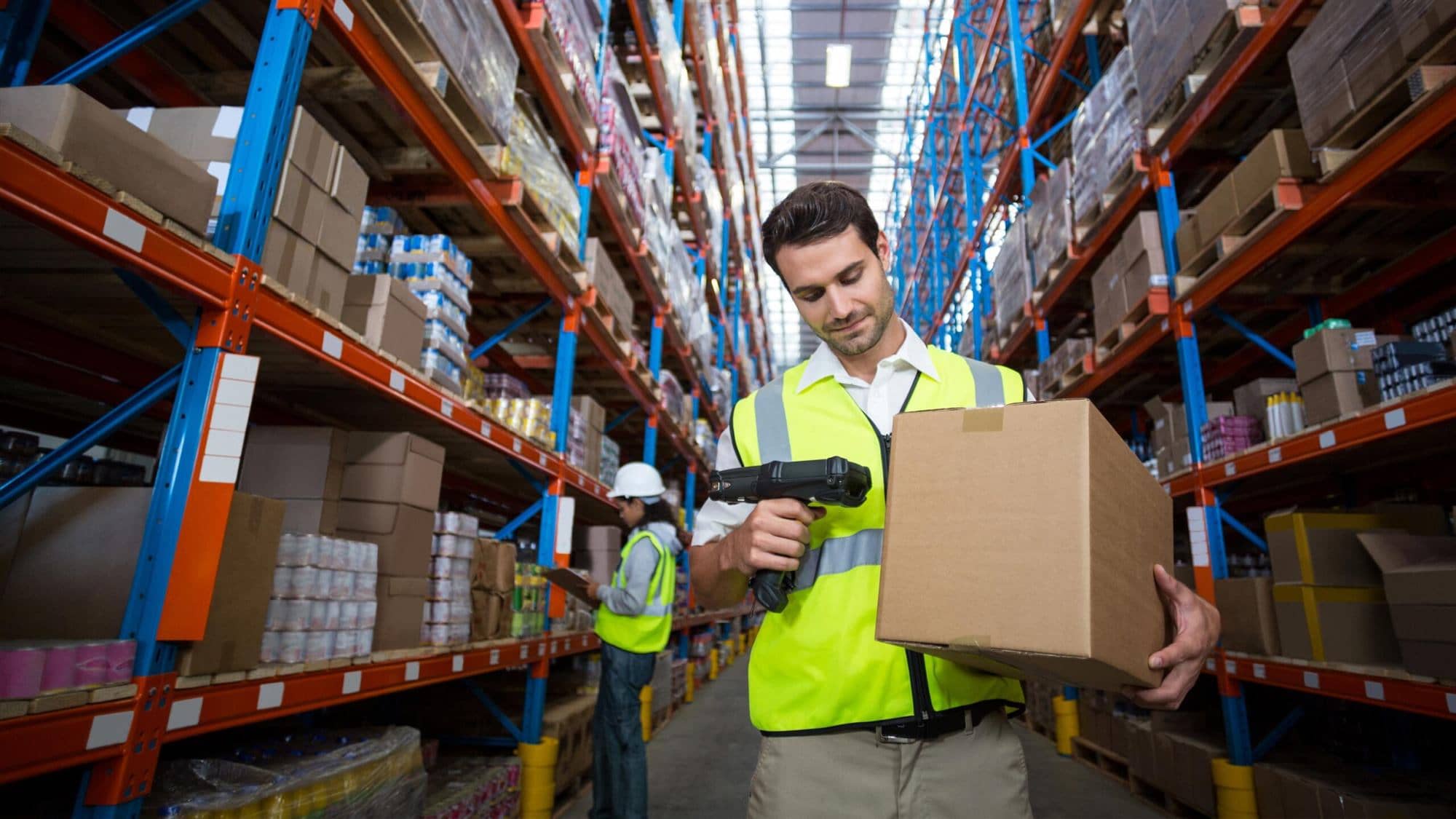
The question is not whether returns will happen, but how well prepared you are to handle them. The goal is not only to process returns faster: a good returns flow removes unnecessary steps, gives the right basis for decisions and makes it easier to understand why goods come back – so logistics can help reduce future returns, not just handle the ones that already exist.
What returns handling covers
Returns handling (reverse logistics) covers the whole flow from the customer registering a return until the product has a new decision. The item can go back to sellable stock, be repacked, sent for repair, claimed from the supplier, sold in another channel or scrapped according to your rules.
The physical inspection in the warehouse has to connect with order data, finance and customer service. If the system shows a refund before the item has arrived, or the warehouse approves a return that customer service cannot see, duplicate work and misunderstandings follow.
For the customer, a return is part of the same purchase experience as the delivery. An easy return creates confidence in the purchase – many customers consider how easy returning feels before they buy. Returns handling is therefore part of your offer and customer promise, not just a cost.
Why returns become expensive
Freight is only part of it. Each return can involve several manual steps, and each day of waiting delays the chance to sell the item again. Costs rise particularly when the reason for return or the product's condition is not clearly documented:
- transport back to the warehouse
- receiving, identification and linking to the right order
- unpacking, quality inspection and photos of deviations
- repacking, cleaning, labelling or simple refurbishment
- administration between warehouse, customer service and finance
- loss of value when the item can no longer be sold as new
- incorrect stock levels and the risk of lost sales
Without clear routines, returns pile up, stock balances go wrong, customer service gets more questions, refunds drag on and staff spend too long on manual steps – especially in fast-growing companies and after campaigns.
How to build an efficient returns flow
- Create a clear returns policy. Customers should understand deadlines, condition requirements, packaging and how to register a return. Internally, the warehouse needs a more detailed decision matrix: which checks to do, which condition grades exist and who decides on claims and exceptions.
- Identify the return immediately. Link the return to the right order and item as early as possible. An order number, return ID or scannable code saves time otherwise spent searching for information.
- Inspect to a consistent standard. Define what to check per product group: complete contents, packaging, visible damage, function and signs of use. Consistent criteria give consistent decisions and better data.
- Register the decision in the same flow. Record status, reason and disposition. In a WMS the event can be linked to the stock balance, so an approved item becomes available only when it is actually ready to sell.
- Restock sellable items quickly. Create a clear path from the returns station to repacking and the right location. Returns must not become a separate, unprioritised queue – especially after campaigns.
- Integrate returns with the rest of logistics. Returns work best as a natural part of the setup alongside receiving, storage, picking, packing and dispatch – not on the side.
- Plan for peaks. Campaigns, season changes and higher order volumes usually lead to more returns, and the wave often comes after the sales peak.
Actions that cut the cost of returns
- use a few clear return reasons that can be analysed
- scan receipt and status changes instead of keeping separate lists
- keep packaging, labels and inspection tools at the returns station
- create product-specific rules for restocking and repacking
- gather photo evidence and comments in the same case when there is a deviation
- plan extra capacity after campaigns, Christmas and season changes
- feed recurring reasons back to product, purchasing and web teams
Returns that improve customer satisfaction
- Fast, predictable feedback. Customers need to know the return has arrived and what happens next. Automatic status messages reduce questions – but only if they are based on a real warehouse event.
- Consistent assessments. When the same type of return is judged the same way, the customer dialogue becomes clearer, and documented deviations help customer service explain decisions.
- Fewer future returns. Returns data can reveal wrong size information, weak product descriptions, transport damage or recurring quality problems. Share the insights and check whether actions actually reduce the cause.
KPIs for a better returns flow
Choose measures that lead to action, and follow them per product group and return reason – not just one overall percentage.
| KPI | What it measures |
|---|---|
| Return rate | Share of orders or units returned. |
| Lead time | Time from received return to registered decision. |
| Restock rate | Share that can go back to sellable stock. |
| Cost per return | Handling, materials and other relevant costs. |
| Reason distribution | Which reasons drive volume and loss of value. |
| Deviation rate | Returns that need manual investigation. |
When to use a 3PL for returns
Outsourced returns handling is particularly relevant when returns take a lot of internal time, stock levels are often wrong after returns, or the peaks after campaigns are hard to staff. When the same partner handles outbound and returns, routines, item data and systems sit in one flow.
At Karlholm Logistics the returns process is adapted to your policy and products. Warehouse events are scanned in Ongoing WMS, giving traceability of when an item is received and gets a new status. See returns management.
Checklist
- Do customers have simple, clear instructions?
- Can every return be identified without manual searching?
- Is there a decision matrix for condition, claims and restocking?
- Is the stock balance updated only once the item has been inspected?
- Can customer service see the current status?
- Are return reasons followed per product and channel?
- Is there capacity for the peaks after campaigns?
Frequently asked questions
What does returns handling include?
Usually receiving, identification, inspection, registration and a decision on restocking, repacking, a supplier claim or other handling.
How can an online store reduce the cost of returns?
Through clear rules, scanning, standardised inspection, fast restocking and analysis of the reasons that cause unnecessary returns.
Can returns handling be part of 3PL?
Yes. Returns can be integrated with storage, picking, packing and dispatch in one 3PL flow.
How does a WMS help with returns?
It gives traceability of warehouse events and supports registering status and stock levels according to the agreed returns process.
This article is an English edition of content first published in Swedish by Karlholm Logistics. It explains common practice and describes how a setup can work; the exact scope for your business is agreed during onboarding.