
High delivery accuracy creates confidence, fewer questions and stronger trust in the whole business. Low accuracy has the opposite effect: more errors, more administration and a poorer experience for both customer and company. It does not matter how strong the marketing is or how fast volumes grow if deliveries do not go out correctly and on time.
What decides delivery accuracy
Delivery accuracy is not just about something leaving the warehouse quickly, but about the whole flow keeping the right quality from start to finish. If one step fails, the risk of an incorrect delivery rises.
- Clear order information. If the order is not correct from the start, it is hard to deliver correctly later. Customer and order registration and clear order data matter before picking even begins. See order intake and registration.
- Structured picking. When items are set up correctly and the warehouse is logically organised, it is easier to pick the right products in the right quantity.
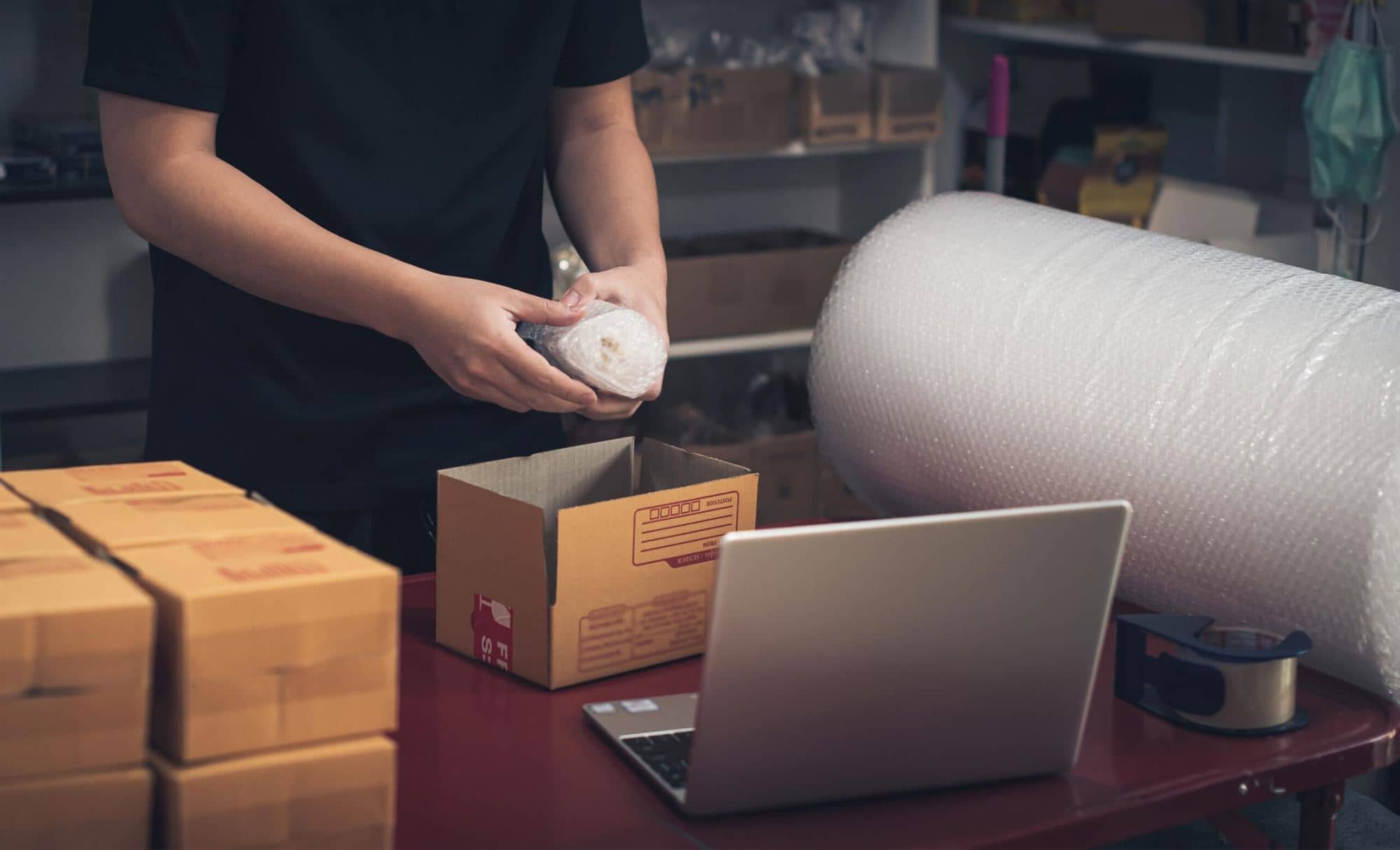
- Careful packing and labelling. After picking, the order needs to be checked, packed and labelled so that the right goods follow the right delivery. Small mistakes here have clear consequences later.
- Control at dispatch. Loading and dispatch are the last steps before goods leave the warehouse. If they are not structured, accuracy suffers directly. See loading and unloading.
Scanning strengthens delivery accuracy
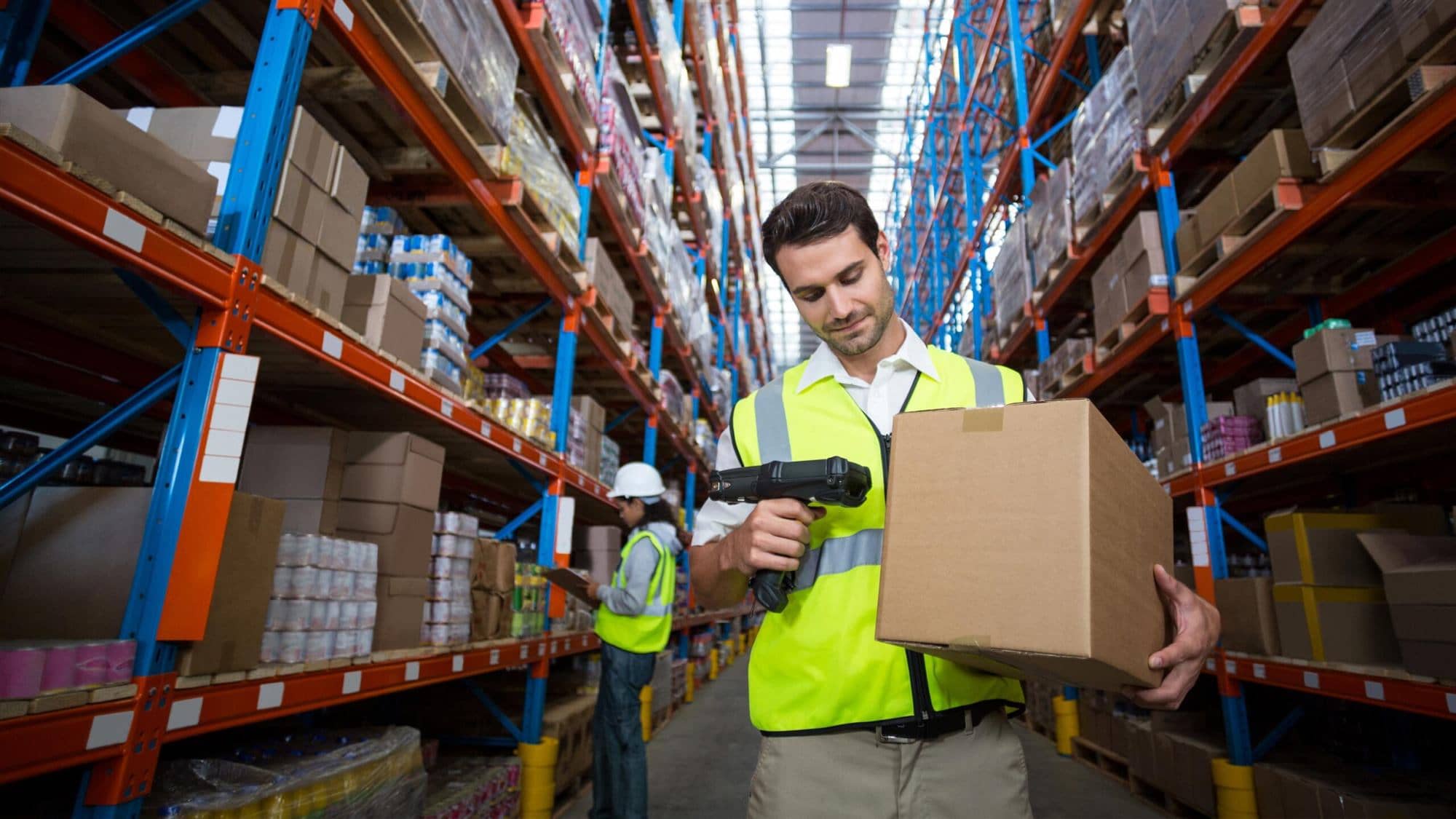
At Karlholm Logistics everything we handle is scanned. That matters for accuracy because traceability is stronger and it is easier to check that the right products are handled throughout the flow. When several steps are registered digitally, manual intermediate steps are reduced and deviations are easier to catch before they reach the customer. See scanning at every step.
You can follow stock and deliveries in Ongoing WMS, which makes order status, movements in the warehouse and control of the whole delivery flow easier to follow.
B2B and B2C
We handle logistics whether you sell B2B or B2C. Accuracy matters in both, for slightly different reasons: in B2C it directly affects the customer experience; in B2B it also affects the customer's own planning, onward distribution or operations.
Focusing on accuracy matters most for companies with many daily orders, recurring customers, many different items, both B2B and B2C flows, or a need to reduce errors, claims and internal rework. The more variation in orders and flows, the more important it is that the last steps keep a high and even standard.
When accuracy is low
- incorrect deliveries
- more customer cases and complaints
- more manual troubleshooting
- weaker trust in the company
- harder to grow without the problems growing too
That makes delivery accuracy more than a logistics KPI – it is a business issue. It can be measured and agreed, for example as order accuracy or OTIF. See SLAs and KPIs.
Questions to ask a logistics partner
- How do you ensure the right pick and the right labelling?
- How is scanning used in the flow?
- How are deliveries followed up in the system?
- How do you handle deviations?
- How do you keep accuracy high in high season?
Frequently asked questions
What is delivery accuracy?
The right goods are sent to the right recipient, in the right quantity and at the right time.
How does scanning improve delivery accuracy?
Scanning makes the flow traceable and helps verify that the right products are handled at every step.
Is delivery accuracy important in B2B too?
Yes. In B2B it often affects the customer's own planning, operations or onward deliveries.
This article is an English edition of content first published in Swedish by Karlholm Logistics. It explains common practice and describes how a setup can work; the exact scope for your business is agreed during onboarding.