
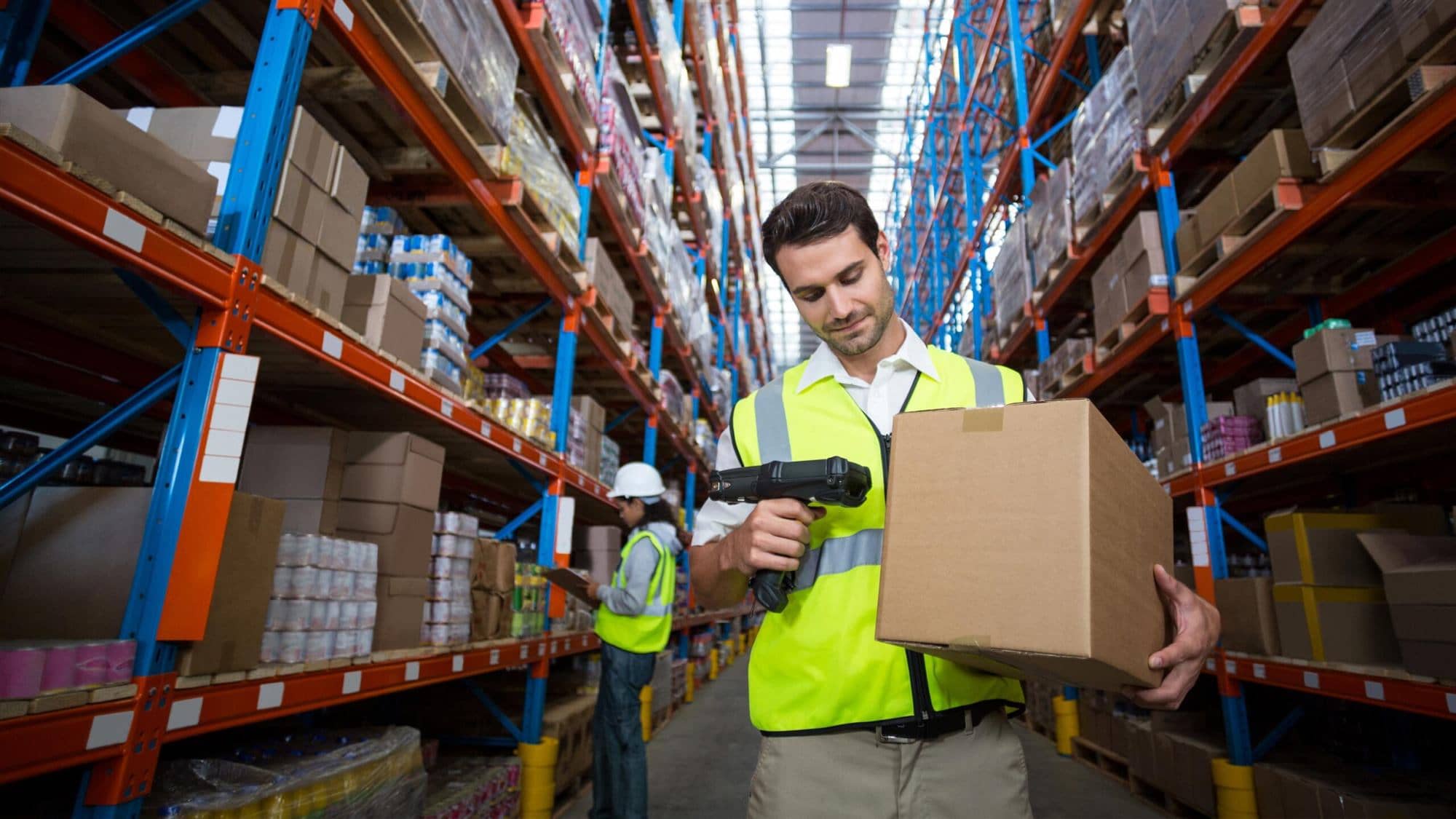
Why returns need a process
When every return requires receiving, registration, inspection, repacking and a decision about what happens next, it ties up both time and capital. Our returns handling is built on clear routines, quick quality control and efficient restocking. The aim is simple: shorter lead times, fewer manual steps and more sellable goods back in circulation as quickly as possible – without compromising on quality or traceability.
Karlholm Logistics has worked with warehousing and third-party logistics since 2015. Returns are handled in our warehouse in Karlholmsbruk, Sweden, and integrated with your other warehouse flows in Ongoing WMS.
Traceable returns in Ongoing WMS
Every step in the warehouse flow is registered by scanning. In Ongoing WMS you can follow stock balances and warehouse events, and the warehouse flow can be connected to your existing business and ecommerce systems – for example Shopify or WooCommerce, which Ongoing has documented integrations for. This gives better traceability when returned products are inspected and restocked.
How we handle returns
1. Receiving and registration
When a return arrives, we receive and register the item according to agreed routines. A structured start makes each return easier to follow and creates a reliable basis for the next step – and the process stays consistent even when volumes vary.
2. Inspection and assessment
Next comes quality control. We check the condition of the item and assess how it should be handled based on criteria we have agreed with you – for example whether the product can be resold immediately, needs refreshing or must be handled in another way. Clear assessment rules reduce unnecessary waste and make reverse logistics more predictable.
3. Repacking and refreshing
Items in sellable condition that need simple measures can be prepared to go back into your range. That can mean repacking, replacing packaging or other agreed refreshing, so that as much of the returns flow as possible becomes sellable stock again instead of sitting idle.
4. Quickly back in stock
Once inspection and any refreshing are complete, approved products are restocked according to the agreed routine. Fast restocking means capital is not tied up longer than necessary and the item is available to a new customer sooner. A sellable product sitting in the returns flow is not available for sale.
What you gain
Outsourcing returns to an experienced logistics partner turns a resource-intensive support function into a controlled process. It can give you:
- More time for your core business – fewer manual return tasks and less administration.
- More satisfied customers – faster and more consistent handling.
- Better cash flow – sellable products return to stock and become available for sale sooner.
- Less waste – structured assessment, repacking and restocking.
Consumer rights in the EU
In the EU, consumers normally have a 14-day right of withdrawal for distance purchases, with some exceptions. Your return policy and the information you give customers are your responsibility as the seller; we adapt the warehouse process to your policy. The Swedish Consumer Agency publishes guidance on the right of withdrawal (in Swedish), and the European Commission summarises the rules on Your Europe.
For ways to reduce returns and design a smoother flow before goods even come back, read our guide to ecommerce returns.
Frequently asked questions
What is ecommerce returns management?
It normally covers receiving, registering and inspecting a returned item, deciding the next step and, where appropriate, putting it back into sellable stock.
Can a 3PL handle returns?
Yes. Returns handling can be combined with storage, fulfillment, picking and packing at the same 3PL partner.
What happens when a return arrives at the warehouse?
It is identified, registered and checked against the rules that apply to the product and the reason for return.
What happens to a damaged return?
It is handled according to agreed rules – for example as a deviation, for repair, recycling or other special handling.
Can returns handling be connected to a WMS?
Yes. Return events are handled in the warehouse management system, so stock balances and statuses are updated throughout the process.
When does it pay to outsource returns?
It becomes particularly relevant when return volumes require a lot of staff time, administration or warehouse space.
Can returns capacity be scaled for Black Friday and Christmas?
Yes, but returns capacity should be planned together with order volumes, because the wave of returns usually arrives after the sales peak.