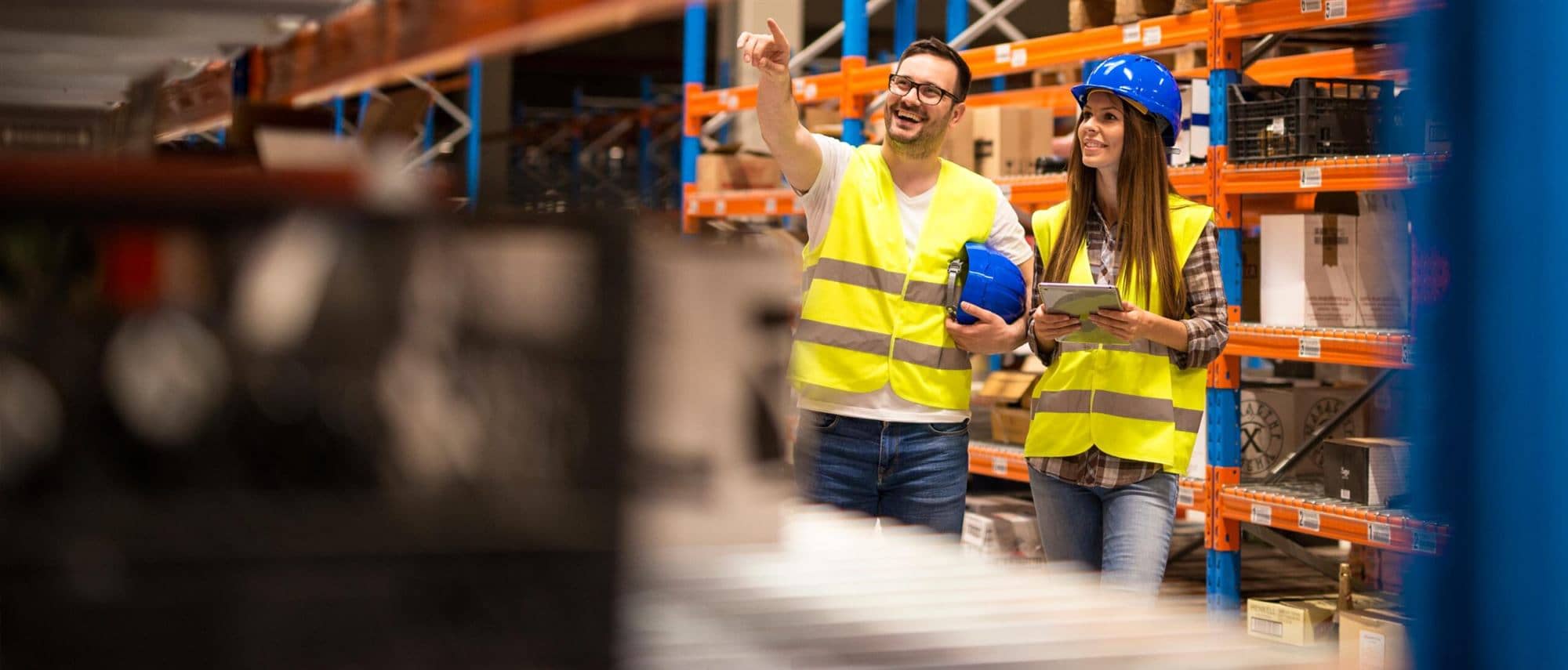

Why experience matters in 3PL
In third-party logistics several parts have to work together: receiving, storage, picking, packing, loading and dispatch all affect one another. 3PL is not just about having space for goods – it is about taking responsibility for all or part of the supply chain in a way that works in practice. That requires working methods, routines and an understanding of how flows should be built to last.
Karlholm Logistics has worked with warehousing and third-party logistics since 2015, and we handle warehousing and logistics with high security so that customers can feel confident and focus on their business. See security in third-party logistics.
What experience changes in daily operations
- Better structure from the start. An experienced partner knows how the warehouse needs to be organised to avoid bottlenecks, so more things are right from the start instead of being fixed afterwards.
- Fewer mistakes in the flow. Established routines reduce the risk of errors in picking, handling and delivery – affecting both efficiency and customer experience.
- Calmer handling of change. When volumes grow, high season approaches or new needs appear, it shows whether the partner is used to handling variation.
- A safer partnership over time. Experience brings clearer communication, better foresight and a more stable way of working.
Experience shows in the details
It is easy to think experience shows mainly in big strategic decisions, but in logistics it shows most in everyday details: how goods are received, how they are located, how picking is organised and how deviations are handled. A partner used to different goods flows can build a setup that works even when reality is not even or predictable – mixed flows, pallet handling, small-item picking, receiving routines or temporary capacity peaks. It is rarely about advanced solutions, but about doing the basics consistently well.
In our warehouse that includes truck unloading and loading, heavy goods handling, pallet breaking, scanning at every step and Ongoing WMS.
Experience and flexibility
Flexibility sounds good in theory, but works best when backed by experience. Any partner can say its solution is flexible; it takes knowledge to actually adjust space, capacity and ways of working without the flow becoming disorganised.
Who benefits most
Experience matters to most companies, but especially to those that have growing order volumes, high and low seasons, several types of goods, a wish to reduce internal workload, or need a partner that can handle change without losing structure – in ecommerce and in more traditional B2B flows alike.
When experience is missing, problems often appear only over time: weaker structure, difficulty handling peaks, more manual workarounds, more errors and less security for the customer.
Questions to ask a 3PL partner
- What kinds of goods flows are you used to?
- How do you work when a customer's needs change?
- What are your routines for receiving, picking and dispatch?
- How do you handle high season and temporary peaks?
- How do you keep quality high over time?
These questions often give a better picture of how secure a solution is than a general service description.
Frequently asked questions
Where does experience show most?
Often in everyday routines – how receiving, picking, handling and deliveries are organised and followed up.
Is experience as important for small companies?
Yes. Smaller companies also benefit from an experienced partner, which brings better order, less risk and a more secure partnership.
How can you tell whether a 3PL is experienced?
It shows in how clearly they work with routines, how well they handle variation and how secure the setup feels in practice.
This article is an English edition of content first published in Swedish by Karlholm Logistics. It explains common practice and describes how a setup can work; the exact scope for your business is agreed during onboarding.