As an online business grows, it becomes hard to handle picking, packing and deliveries internally without taking time from everything else. That is why many companies work with an external fulfillment partner – often as part of a broader 3PL solution. Fulfillment focuses on order handling, while 3PL can also cover receiving, storage and returns. See 3PL vs fulfillment.
What an ecommerce 3PL setup includes, step by step
The exact setup differs between providers, but a modern solution usually includes these steps:
- Needs analysis and start-up. Order volumes, product range, systems and ways of working are reviewed, so the solution fits your size, seasonal pattern and growth plans. See onboarding.
- Receiving goods. Products delivered to the warehouse are received, checked and registered. Receiving lays the foundation for correct stock levels and order in the warehouse. See goods receiving.
- Storage. Products are kept in the logistics partner's warehouse instead of yours. A well-organised warehouse keeps the range in order, reduces errors and creates capacity as volumes grow.
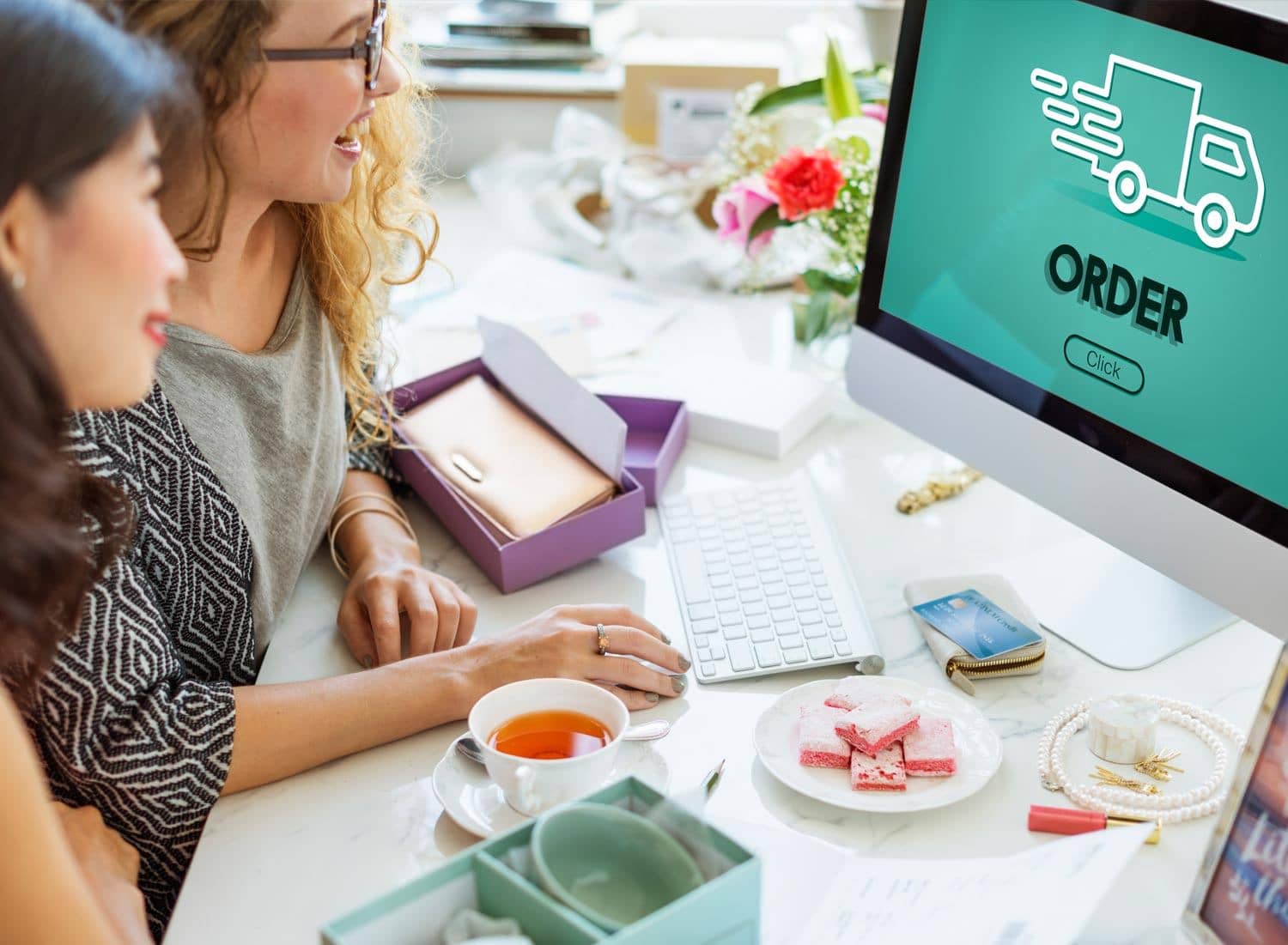
- The order comes in. When a customer orders in your webshop, the order information is passed to the warehouse – automatically through a system integration, so handling can start quickly. See connecting your webshop to a 3PL.
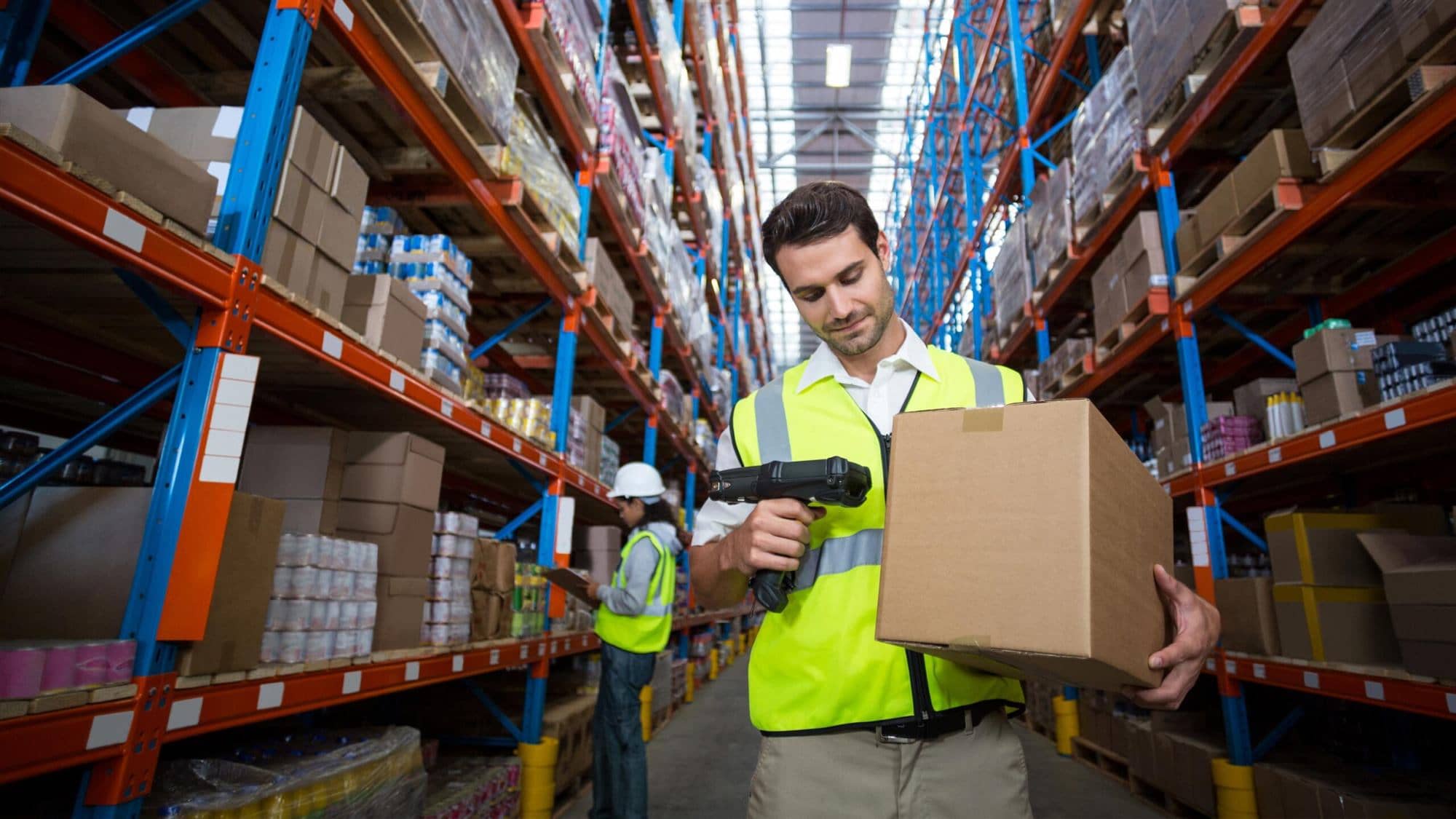
- Picking. The right products are collected from stock. A well-organised warehouse makes picking faster and reduces the risk of errors.
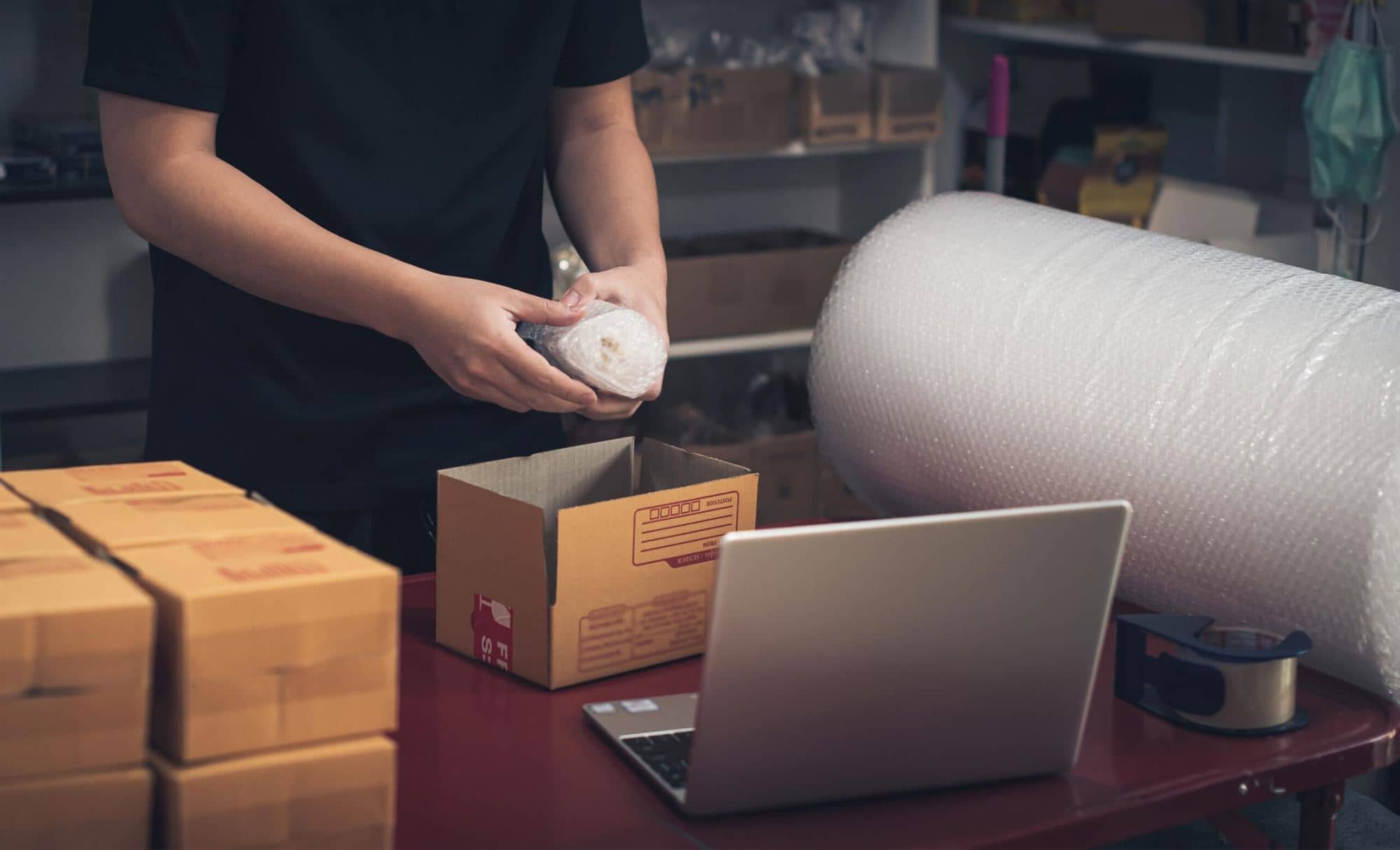
- Packing. The order is packed safely and efficiently – protecting the contents while working practically in the daily flow. See order picking and packing.
- Shipping. The order gets shipping information and is handed over for distribution. Delivery precision, pace and structure decide the end customer's experience.
- Returns. Many setups also include returns handling, so returns are dealt with in a structured way without interrupting the order flow. See ecommerce returns.
- Ongoing follow-up and optimisation. Seasons, campaigns, range changes and growth affect capacity needs, so the solution has to develop over time.
What matters most for ecommerce
- Accurate stock levels. If the balance is wrong, customers can order products that do not exist – creating extra work and a poorer experience.
- Fast, correct picking. Mis-picks cost time and money, so routines must keep accuracy high even when the pace is high.
- Packing that suits the products. Packaging must protect the item and work efficiently – especially with many different items.
- Returns that do not stop the flow. Smooth returns keep both customer service and stock levels in order.
Why fulfillment matters
Fulfillment is not just an internal logistics question; it affects the whole business. When order handling works, customers get faster and more accurate deliveries and the company can grow without logistics becoming a bottleneck:
- faster order flows
- fewer mis-picks and delivery problems
- better structure at higher order volumes
- more time for sales, marketing and range development
- better ability to handle campaigns and seasonal peaks – see preparing for peak season
Fulfillment from a warehouse in Sweden
For companies selling to Swedish customers, fulfillment from a warehouse in Sweden can shorten delivery times and simplify the flow. Clear communication and a logistics partner that understands Swedish conditions for deliveries, seasons and customer expectations also help. The location relative to major transport routes matters for how efficient distribution is. Read more about the benefits of a warehouse in Sweden.
External fulfillment vs your own warehouse
With your own warehouse you are responsible for premises, staff, routines, packing and daily handling. With fulfillment, operational order handling sits with a partner that already has warehouse structure, workflows and capacity in place. That does not mean losing control – a well-run fulfillment setup often gives a better overview, clearer routines and more time for the business.
When fulfillment fits best
- the number of orders starts to grow quickly
- picking and packing take too much time internally
- it is hard to keep stock and order status in order
- campaigns and high season create stress
- you want to grow without building your own logistics team
Smaller online stores can benefit too – what matters is not just how many orders you have today, but how much time and energy logistics takes from the rest of the business. See 3PL for small ecommerce businesses.
Frequently asked questions
What does fulfillment mean?
An external partner handles the order flow for an online store – from the moment an order comes in until it is picked, packed and shipped.
What is usually included?
Receiving, storage, order handling, picking, packing and shipping – and often returns handling too.
Does fulfillment suit small online stores?
Yes. Fulfillment can be a good option for smaller ecommerce companies that want to save time and create better structure in their logistics.
Why is a warehouse in Sweden an advantage?
A Swedish warehouse can give shorter delivery times, simpler returns and better control for companies selling to Swedish customers.
This article is an English edition of content first published in Swedish by Karlholm Logistics. It explains common practice and describes how a setup can work; the exact scope for your business is agreed during onboarding.