
What ecommerce fulfillment includes
Fulfillment is an umbrella term for everything that happens after a customer has placed an order. It usually includes:
- Receiving and registering inbound goods
- Storage
- Order picking
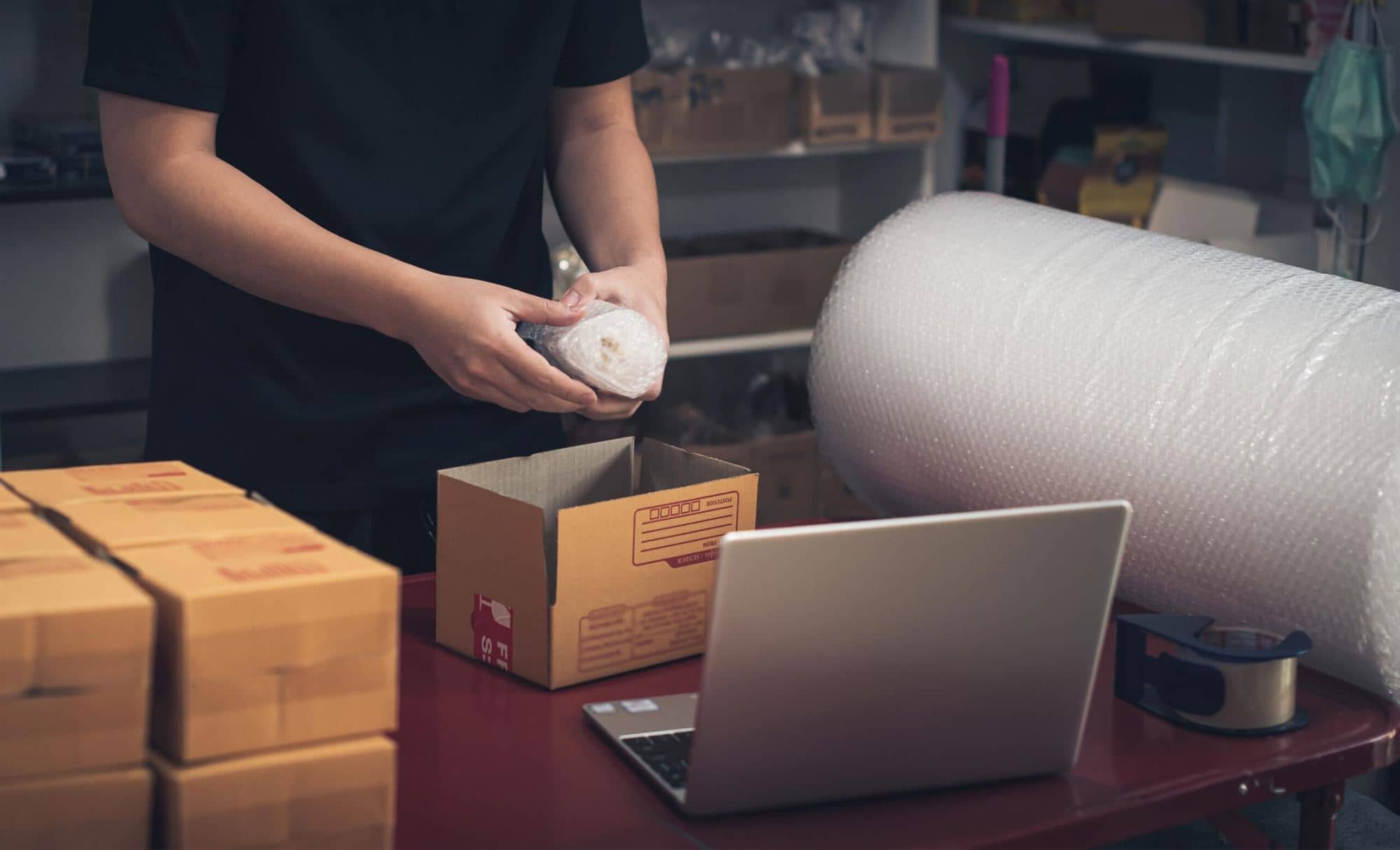
- Packing and labelling
- Shipping and delivery
- Returns handling (if included in your setup)
For you as an online retailer, logistics becomes a clear, measurable process that can scale as sales grow. Instead of spending time on packing, warehouse work and booking freight, you get a partner that runs the entire operational flow.
When outsourced fulfillment makes sense
Fulfillment is often the right choice when:
- you spend a lot of time on packing and logistics instead of sales and marketing
- order volumes are growing or vary a lot over the year
- you want shorter delivery times to Swedish customers with stock in Sweden
- you want to reduce fixed costs and avoid growing "into" a warehouse
- you need a stable process for returns and complaints
What you get with Karlholm Logistics
- Stock in Sweden, close to Swedish customers
- Flexible capacity as you grow, and scaling for campaigns and seasons
- Structure for both small and large order volumes
- Every step scanned and visible in Ongoing WMS
- Integration with your webshop through Ongoing's documented integrations or API
- Personal contact and clear communication
How we work
We help ecommerce companies build a stable flow where deliveries stay fast and predictable. The setup is adapted to your volumes, products and delivery requirements.
- Review – we go through your products, order flow, volumes and systems.
- Inbound – your goods are delivered to our warehouse, checked and registered.
- Operations – order picking, packing and dispatch every working day.
- Follow-up – continuous review and adjustment as your needs change.
Storage in Sweden
A warehouse in Sweden can mean shorter lead times and simpler returns, especially for customers in the Swedish market. Read more about the benefits of a warehouse in Sweden.
Picking and packing
We handle picking and packing with a focus on clear routines, quality and delivery reliability. See how order picking and packing works.
Shipping
Shipping solutions are adapted to your needs and delivery requirements, with the aim of a reliable flow all the way to the end customer.
Returns
Returns handling can be included and adapted to your policies. See Returns management.
Several sales channels from one stock
When you sell through several channels, orders, stock levels and channel rules need to be coordinated. A shared 3PL warehouse can be the hub between your webshop, marketplaces and B2B customers:
| Channel | Typical requirements |
|---|---|
| Webshop | Fast flows, tracking and consumer-friendly packing. |
| Marketplaces | Their own service levels, statuses, labels or integration requirements. |
| B2B | Larger orders that may require EDI, pallets, SSCC labels or specific delivery windows. |
A multichannel setup is planned by mapping your channels, defining a shared SKU structure, deciding the stock model (shared or reserved stock per channel), documenting each channel's service levels, testing orders from every channel and following stock reservations once live.
Frequently asked questions
What is the difference between fulfillment and 3PL?
Fulfillment usually focuses on ecommerce – from order to delivery. 3PL is the broader term and can also cover B2B flows, pallet storage and other logistics services. Fulfillment is one part of what a 3PL does.
Is fulfillment only for large online stores?
No. Outsourced fulfillment can also suit smaller ecommerce companies that want to grow without building their own warehouse.
Can the setup handle campaigns and peaks?
Yes. The setup is designed for varying order volumes and can normally be scaled up for campaigns and high season.
Are returns included?
Returns handling can be part of the setup and is adapted to your return policy and requirements.
Can you handle orders from several sales channels?
One shared stock can serve your webshop, marketplaces and B2B customers. Each channel's order flow, stock rules and requirements are mapped during onboarding.