Pallet goods
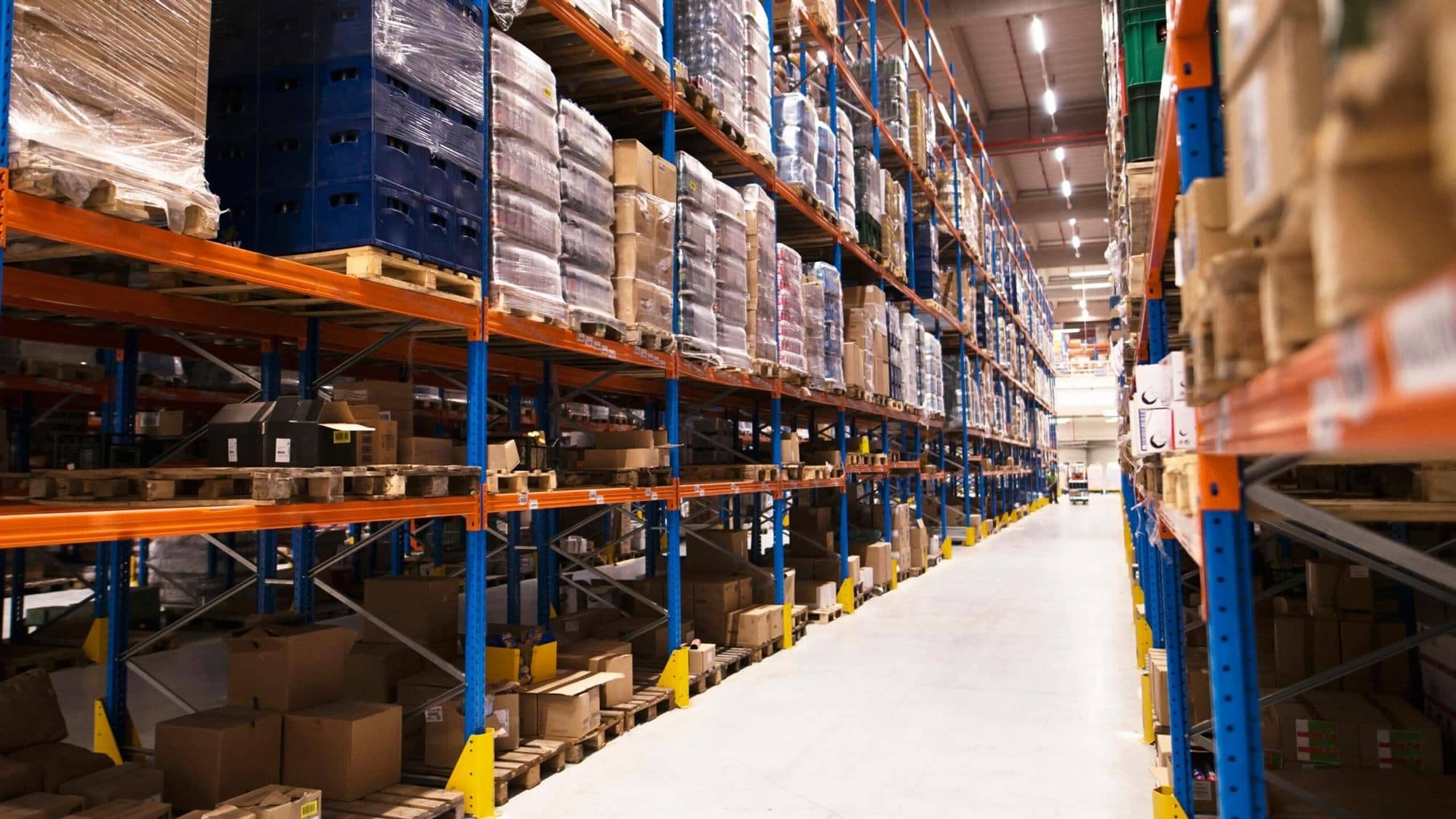
Pallet goods are delivered or stored on pallets – often larger quantities, heavier packages or goods that need to be handled together in a robust flow. They are common in B2B logistics, wholesale, industrial deliveries and other flows where full or part pallets go to businesses. Handling them requires the right space, forklift handling and clear routines for receiving, putaway, movement and dispatch.
Carton goods (general cargo)
Carton goods – in Swedish logistics called styckegods – are handled as individual packages, parcels or smaller units rather than whole pallets: cartons, smaller shipments or single items that need picking, sorting or sending on in smaller volumes. They occur in both B2B and B2C, especially where delivery sizes vary or goods need splitting before dispatch.
The key difference
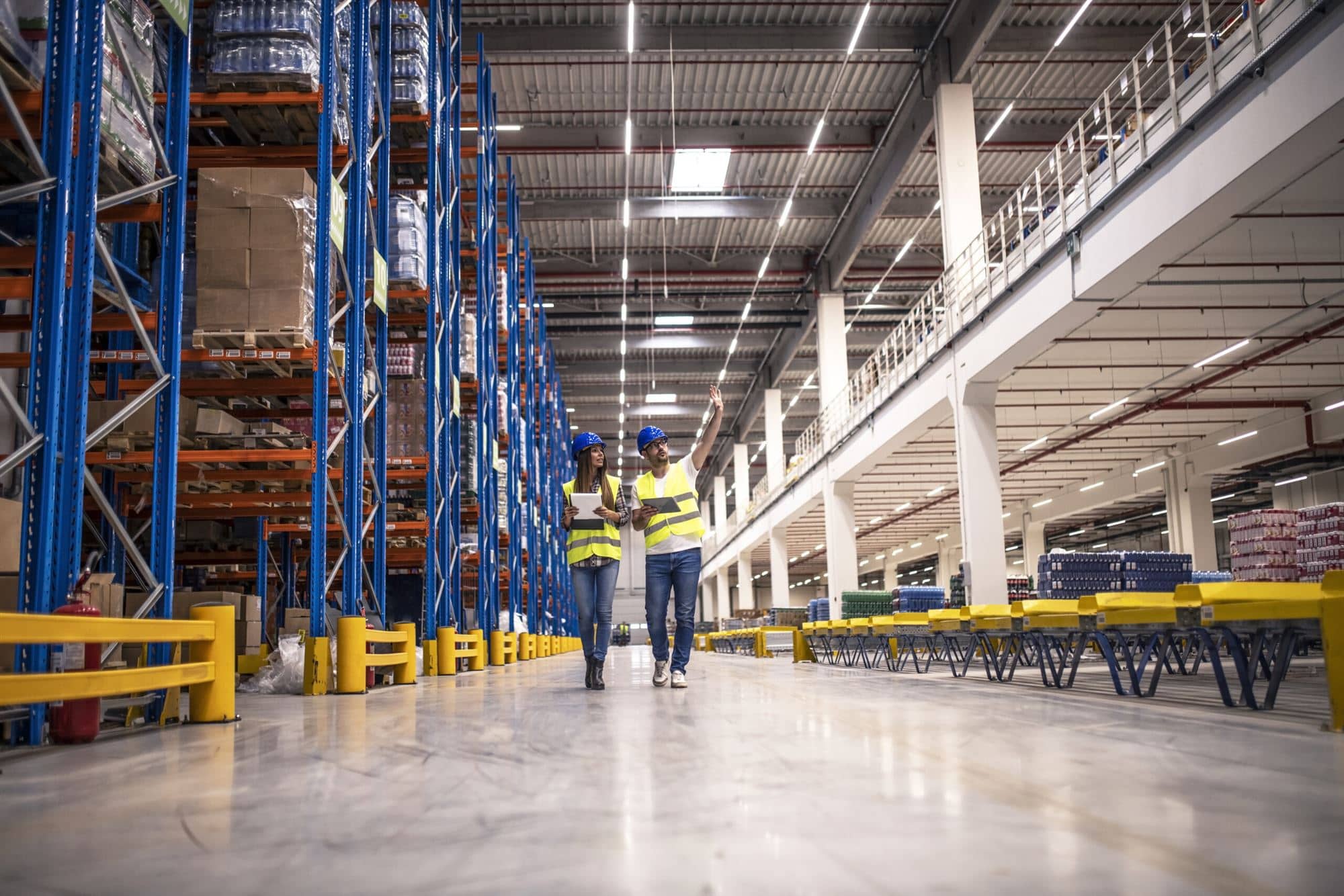
Pallet goods usually need more floor space, forklift capacity and stable handling of larger units. Carton goods need more picking structure, sorting and handling at package level. A warehouse handling both must be built for flexibility, so workflows, locations and routines work for large and small units without quality or pace suffering.
Why it matters when outsourcing
A warehouse built mainly for small ecommerce orders is not always optimal for pallet goods – and one built mainly for large flows is not always efficient for small, pick-intensive shipments. Always start from your real goods flows when assessing a 3PL.
| What the warehouse needs | Pallet goods | Carton goods |
|---|---|---|
| Space | Enough floor space and pallet locations | Clear shelf structure for smaller units |
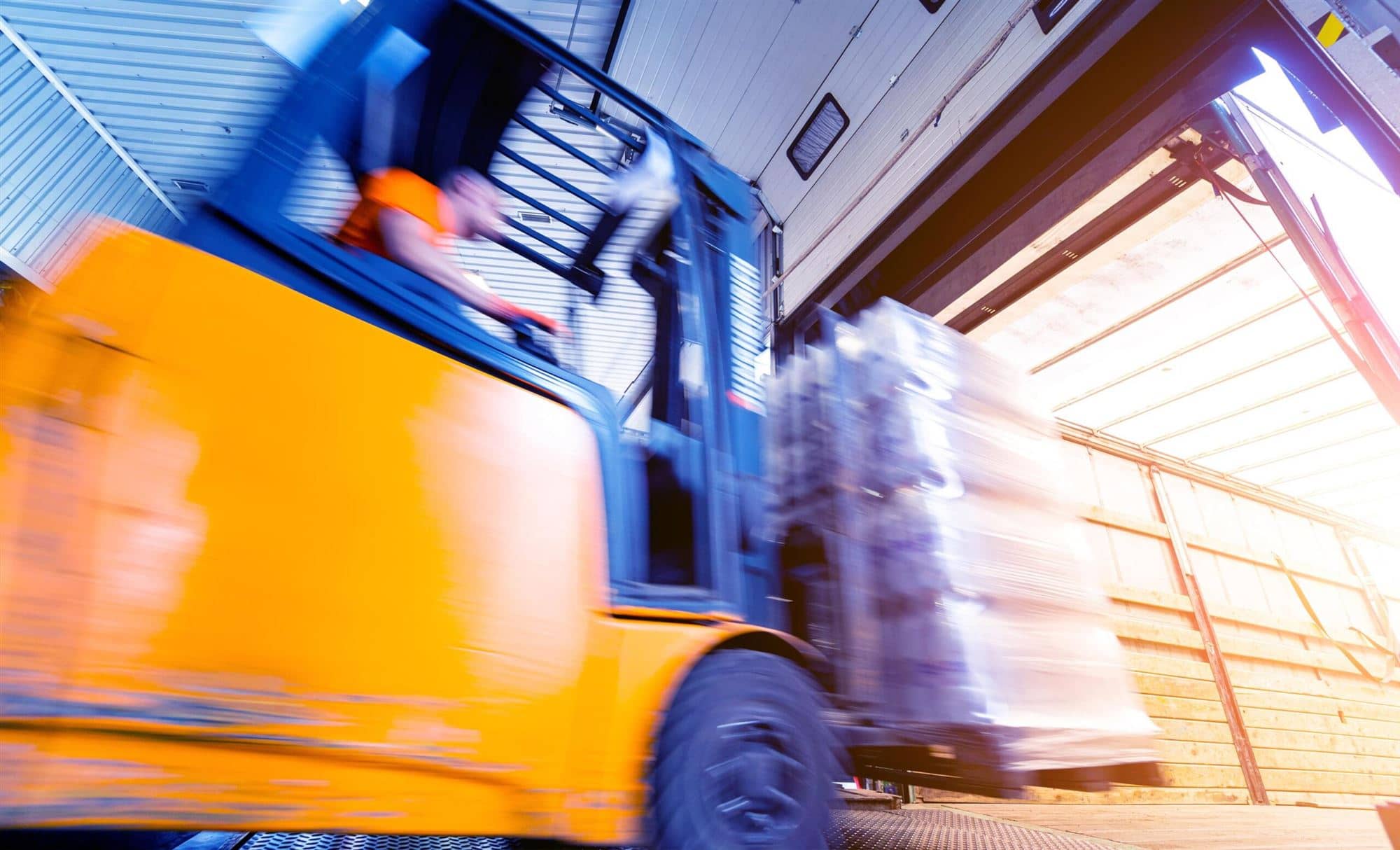
| Equipment and routines | Forklifts and workflows for loading and unloading | Efficient picking routines |
| Receiving | Clear routines for receiving and putaway | Fast registration and follow-up |
| Safety and control | Safe flows for heavier or larger goods | Good labelling and traceability |
| Outbound | Structure for planned deliveries | Flexibility for varying order sizes |
When you need both
Many companies work with both. Goods may arrive on pallets, be stored together and then be dispatched in part as carton goods; some customers get full pallets while others get smaller deliveries. Flexibility then becomes decisive: the warehouse must switch between types of handling without the flow becoming slow or unclear. See pallet breaking.
What goes wrong when the setup does not fit
Goods end up in the wrong place, handling is slower than necessary, errors occur in picking or loading, safety suffers, and deliveries become less predictable – particularly in growing companies or where flows vary a lot between customers and order types.
Questions to ask a logistics partner
- Can you handle both larger and smaller goods flows?
- How do truck unloading and loading work?
- How do you work with labelling and traceability?
- Can you handle both pallet storage and small-item picking?
- How is the flow adapted to different customers and order types?
At Karlholm Logistics we handle everything from small-item picking on shelves to pallets, heavy goods and items that need floor space. See pallet handling and B2B logistics.
Frequently asked questions
What are pallet goods?
Goods delivered, stored or handled together on a pallet, which usually require forklift handling and a larger warehouse structure.
What are carton goods or general cargo?
Smaller individual packages or shipments handled separately in the logistics flow.
Can one warehouse handle both?
Yes, but it needs a flexible setup with the right space, routines and workflows for both types of goods.
This article is an English edition of content first published in Swedish by Karlholm Logistics. It explains common practice and describes how a setup can work; the exact scope for your business is agreed during onboarding.