
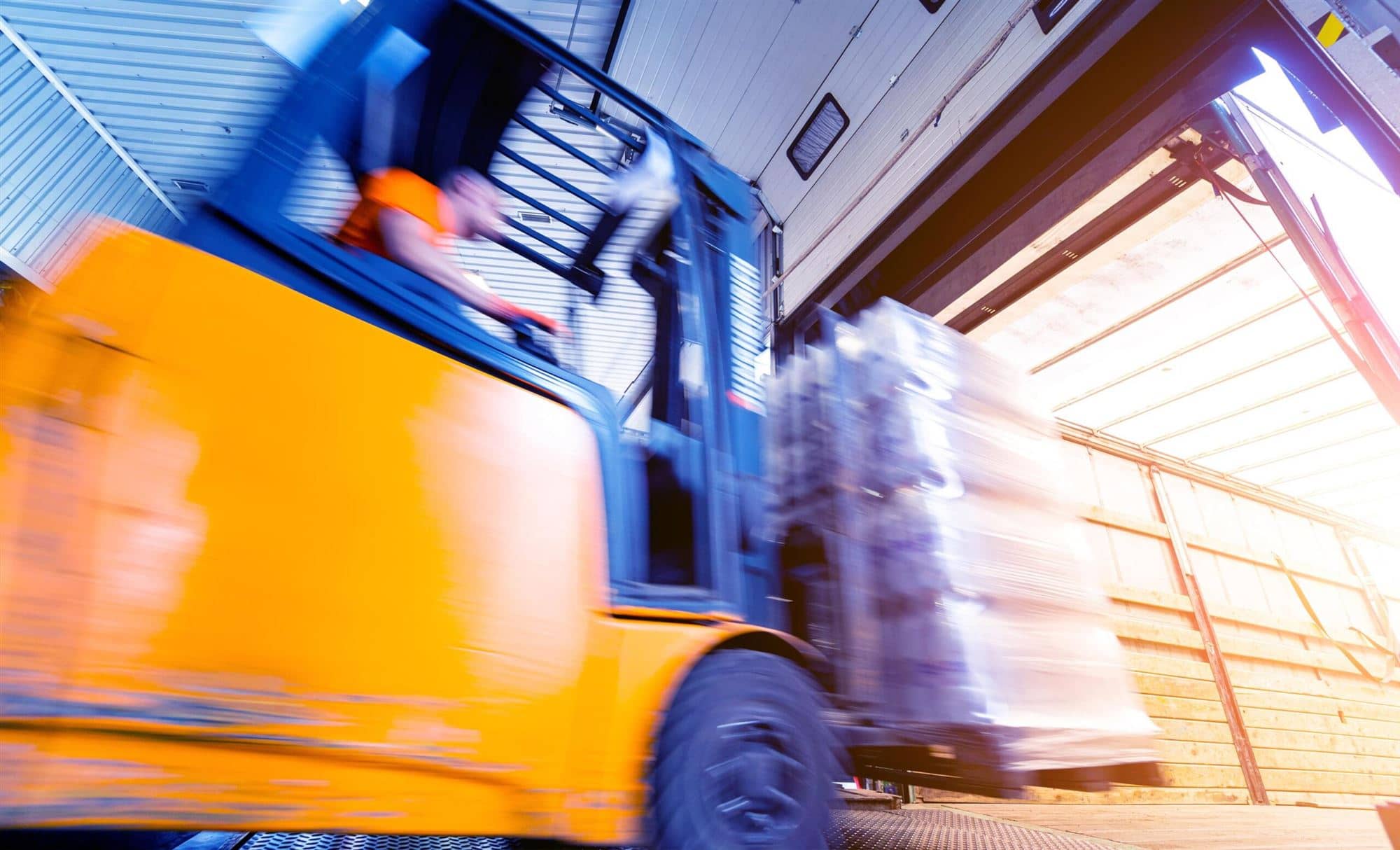
Pallet handling as part of a 3PL flow
Pallet handling is about both the physical goods and the information that comes with them. The pallet needs to be received safely, checked against documents, registered and placed so that the next activity – storage, picking, re-palletising or onward transport – can happen without unnecessary steps.
- Receiving and checking – pallets are received and can be checked against the advance notice, delivery note or other agreed documents.
- Storage and internal handling – after registration, the pallet is placed in a suitable location or staging area depending on the next step.
- Picking and onward flow – full pallets, cartons or single items can go on to B2B orders, fulfillment, re-palletising or distribution.
How the process works
- The delivery is announced with information about the number of pallets, items and references.
- Pallets and goods are received, and visible deviations are handled according to the agreed routine.
- Goods and pallet identities are registered and linked to the right storage or order flow.
- The pallet is stored, picked from, re-palletised or sent on, depending on your needs.
- Dispatch is prepared with the right labelling, documentation and transport documents.
Common parts of pallet handling
| Step | What it means |
|---|---|
| Pallet receiving | Unloading, receiving inspection and reconciliation against the advance notice. |
| Re-palletising | Goods are moved or rebuilt when the existing pallet does not suit further storage or distribution. |
| Labelling | Pallets and cartons get a clear identity for storage, order, customer or transport. |
| Storage | The pallet is located based on dimensions, weight, turnover rate and next activity. |
| Pick and pack | Items can be picked from the pallet for customer orders, B2B shipments or ecommerce orders. |
From full pallet to pick and pack
Not every pallet flow ends with a full pallet being shipped. For some customers, the pallet is the inbound storage unit and items are then picked by the unit or by the carton for orders. In that case pallet receiving, storage locations and ecommerce fulfillment need to work as one connected flow. Splitting pallets into smaller units is described in our article on pallet breaking.
For imported containers, pallet handling often starts after container unloading, sorting and re-palletising.
When this setup fits
- you receive palletised goods but need flexible storage or picking
- pallets need to be split, relabelled or rebuilt
- you want to combine B2B pallet flows with ecommerce or unit picking
- goods arrive via a port, terminal or air freight and need a next warehouse step – see Ports and airports
When you contact us, describe where the goods come in, approximate volume, pallet or carton structure and what should happen after receiving.
Frequently asked questions
Can you handle both full pallets and picking from pallets?
A setup can be built around both full pallets and order picking from pallets. The exact handling depends on the product, order profile and storage requirements.
Can palletised goods be relabelled?
Relabelling can be an added step when a pallet or carton needs a different identity before storage or onward distribution.
Can pallet handling be combined with ecommerce fulfillment?
Yes. With the right setup, the same warehouse can receive palletised goods and then use their contents for unit picking, packing and customer orders.