
What small-item shelf picking means
Products are stored in shelving and picked by the unit or in small quantities when an order comes in – unlike pallets or larger packages, which are moved in bigger units. It is common for companies with many different items, recurring orders and a need for high picking precision. At Karlholm Logistics we handle everything from small-item picking on shelves to odd-sized goods that need a lot of floor space.
Why small-item picking matters
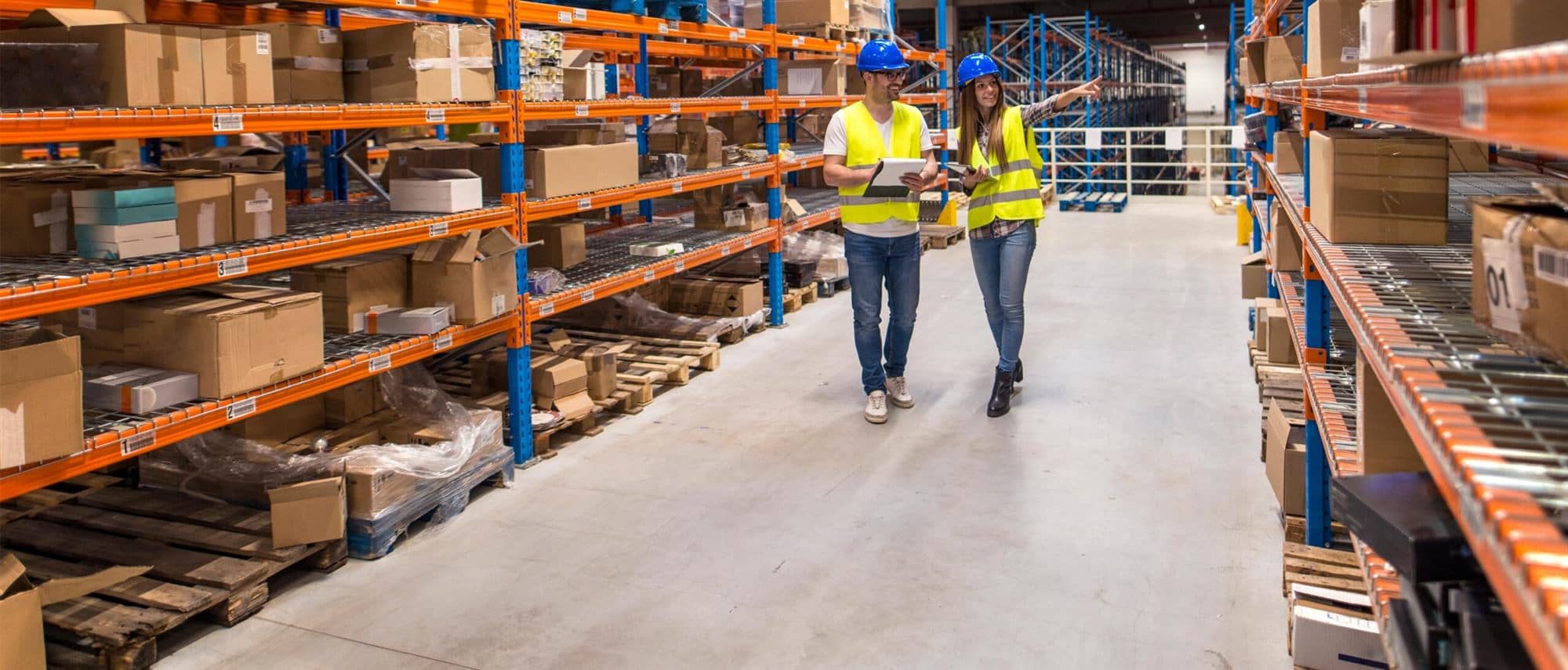
When orders consist of small quantities or several different items, picking becomes more detailed. The warehouse must be clearly organised so the right product can be found quickly without losing accuracy:
- better order in the warehouse
- faster access to items
- less risk of mis-picks
- smoother handling of mixed orders
- stronger delivery precision
It is relevant both in B2C flows and in B2B logistics where orders are not always full pallets.
How it creates better order
- Clearer shelf structure. Logically stored small items are easy to find, the warehouse is easier to overview and less dependent on individual people's shortcuts.
- Simpler picking flows. Items in the right place from the start make picking rounds smoother and keep an even pace as orders increase. See slotting.
- Better control of small units. The more small parts and item numbers a flow contains, the greater the value of order and clarity.
Delivery precision and scanning
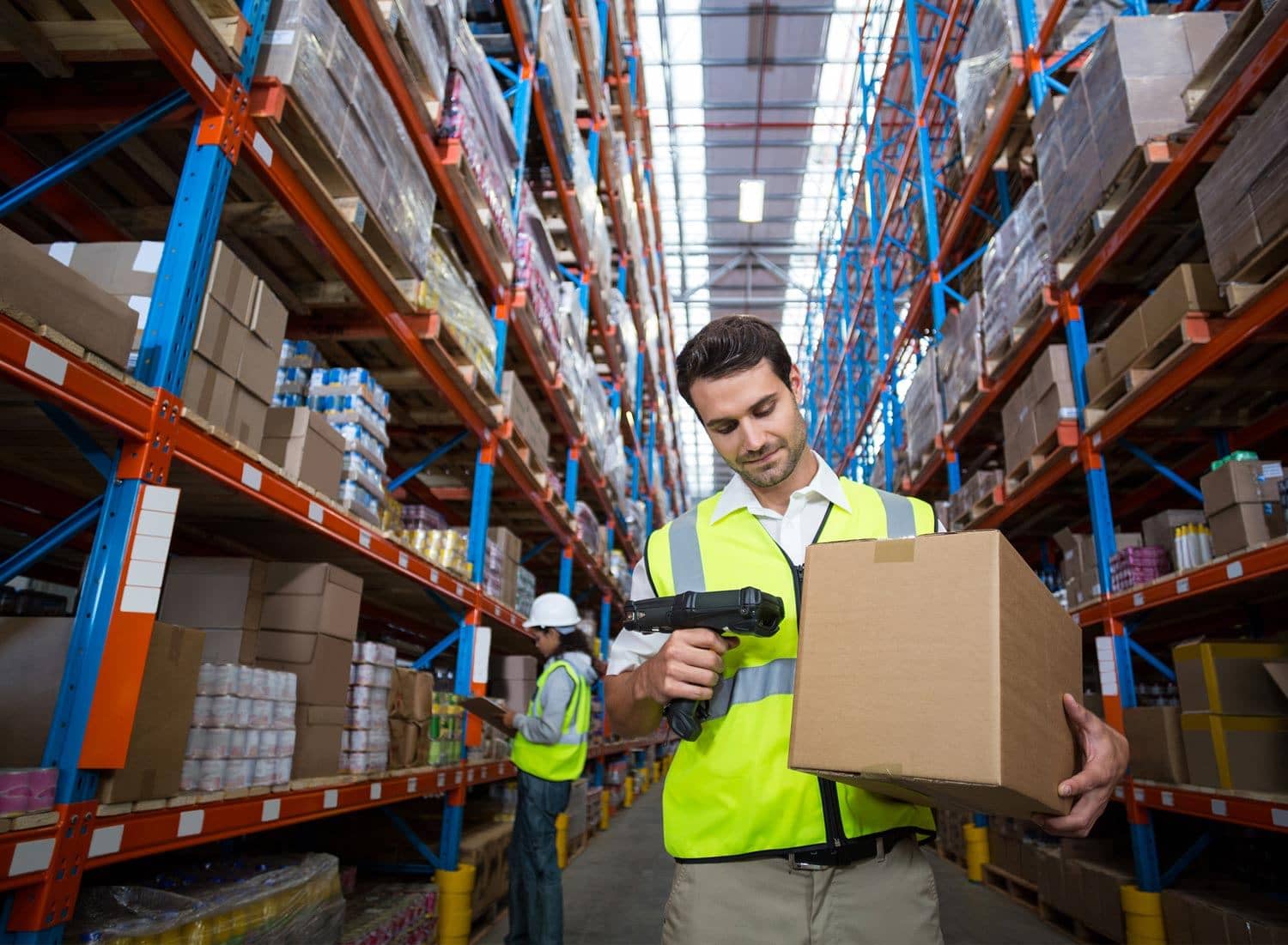
When orders are built from several small items, the demands on picking accuracy rise – small mistakes quickly lead to complaints, rework and a poorer customer experience. Scanning at every step is especially valuable here, because it confirms that the right item is handled and makes the whole flow more reliable. See delivery accuracy and scanning.
Small items and larger goods in the same warehouse
Many companies do not work only with small items or only with larger goods. The same warehouse often has to handle shelf picking, pallet goods and odd-sized goods depending on customer, season or order type – so a partner that can handle mixed flows is an advantage. Goods often arrive on pallets and are broken down for shelf picking; see pallet breaking.
When small-item picking does not work
It takes too long to find products, mis-picks become more common, stock balances become less reliable, order on the shelves deteriorates over time and deliveries become less precise.
What to ask a 3PL
Ask how the warehouse is organised, how picking is followed up and how the partner works with control at every step – and whether it can handle small-item picking alongside other goods flows if your business grows or changes.
This article is an English edition of content first published in Swedish by Karlholm Logistics. It explains common practice and describes how a setup can work; the exact scope for your business is agreed during onboarding.