When picking and packing work well, you get faster deliveries, fewer errors and a better customer experience. When they work poorly, that shows just as clearly.
What order picking and packing mean
Order picking means collecting the right products from stock for an incoming order. The warehouse needs to identify quickly which items should be sent, where they are located and in what quantity. In a well-organised warehouse, products are registered in the system, locations are structured and each step is followed up to reduce mis-picks.
Packing comes after picking: the order is checked and the goods are put in the right packaging for delivery. Packing protects the product in transit, supports a smooth shipping flow and gives a professional impression when the customer opens the parcel.
How picking works at a logistics partner
- The order enters the system. When a customer orders in the webshop, or a business order is registered, the information is passed to the warehouse – usually automatically via a system integration, so handling can start right away. See integrations.
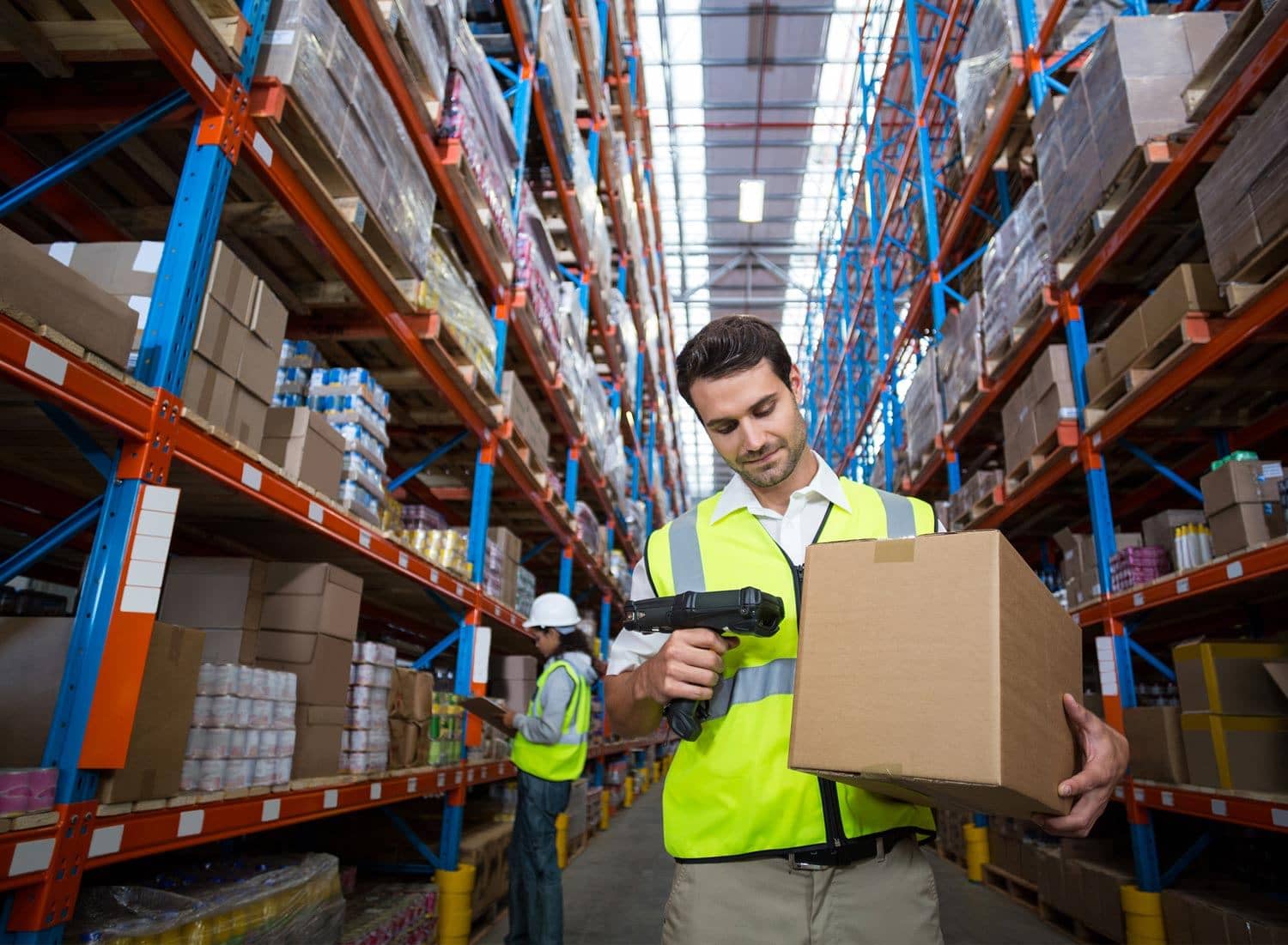
- A pick list or digital workflow is created. The warehouse is told which products to collect – through digital workflows, scanning or other system support showing item, quantity and location.
- Products are collected from the right locations. Structure is decisive: clear locations and good routines make picking faster and safer, even as volumes grow. See picking strategies and slotting.
- Check before packing. It is verified that the right items have been picked, to reduce incorrect deliveries and raise quality.
How packing works
- Choosing packaging based on the products' size, shape and fragility – a safe parcel without unnecessary volume.
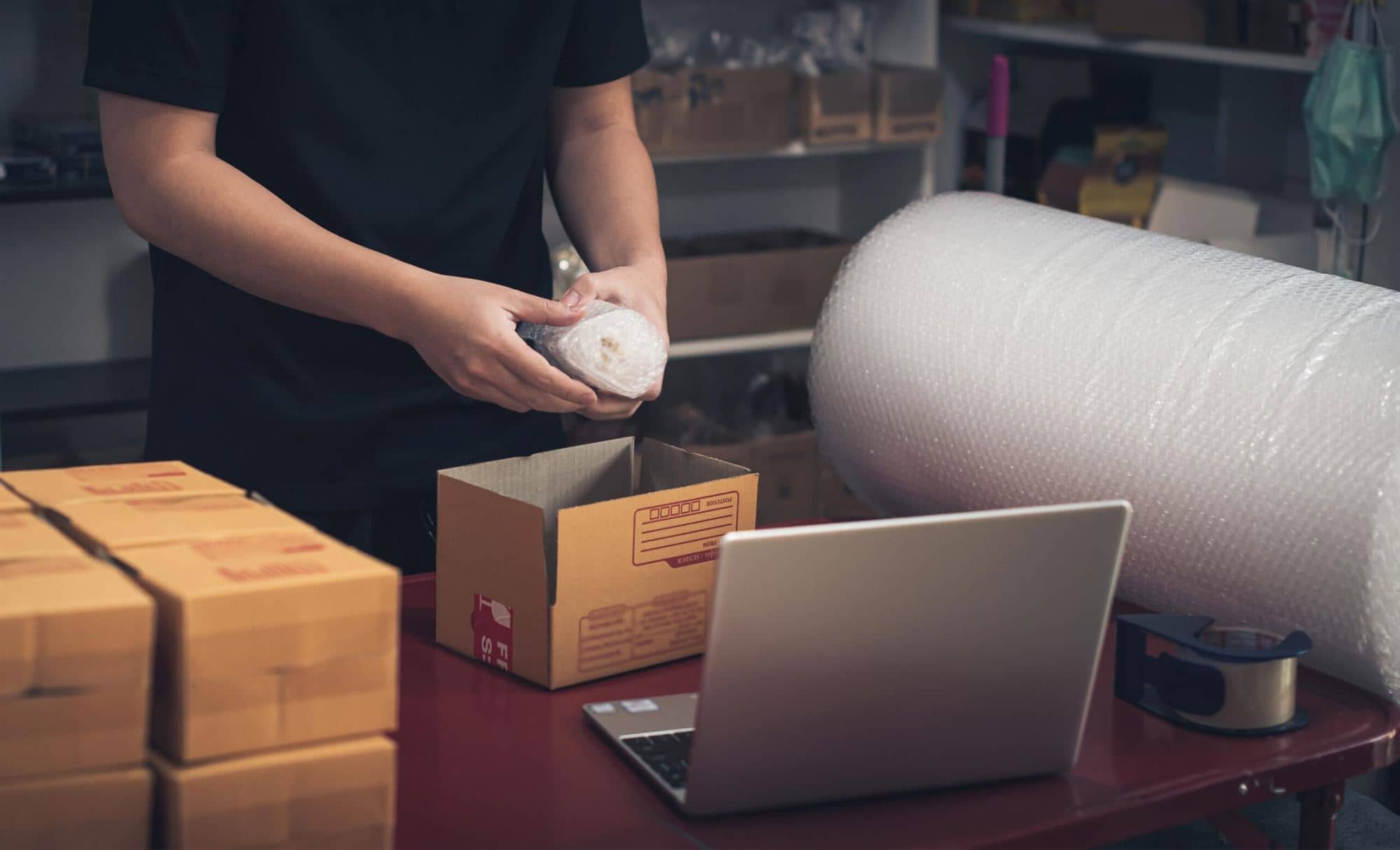
- Placing and protecting the products. Some products need extra cushioning or special handling; others can be packed quickly in standard flows.
- Adding the shipping label and delivery information, after which the parcel goes to dispatch and distribution.
- Registering the order as complete, so that both the warehouse and the customer get the correct delivery status.
Why picking and packing matter so much
- fewer mis-picks reduce costs and customer cases
- faster picking improves delivery time
- good packing reduces transport damage
- clear routines make higher volumes manageable
- consistent quality strengthens the customer experience
The customer never sees what happens inside the warehouse, but sees the result immediately. If the right item arrives quickly and in good condition, the purchase feels smooth and professional; if the wrong product is sent, something is missing or the item is damaged, the experience suffers. Picking and packing are part of your brand experience.
What makes a good pick-and-pack flow
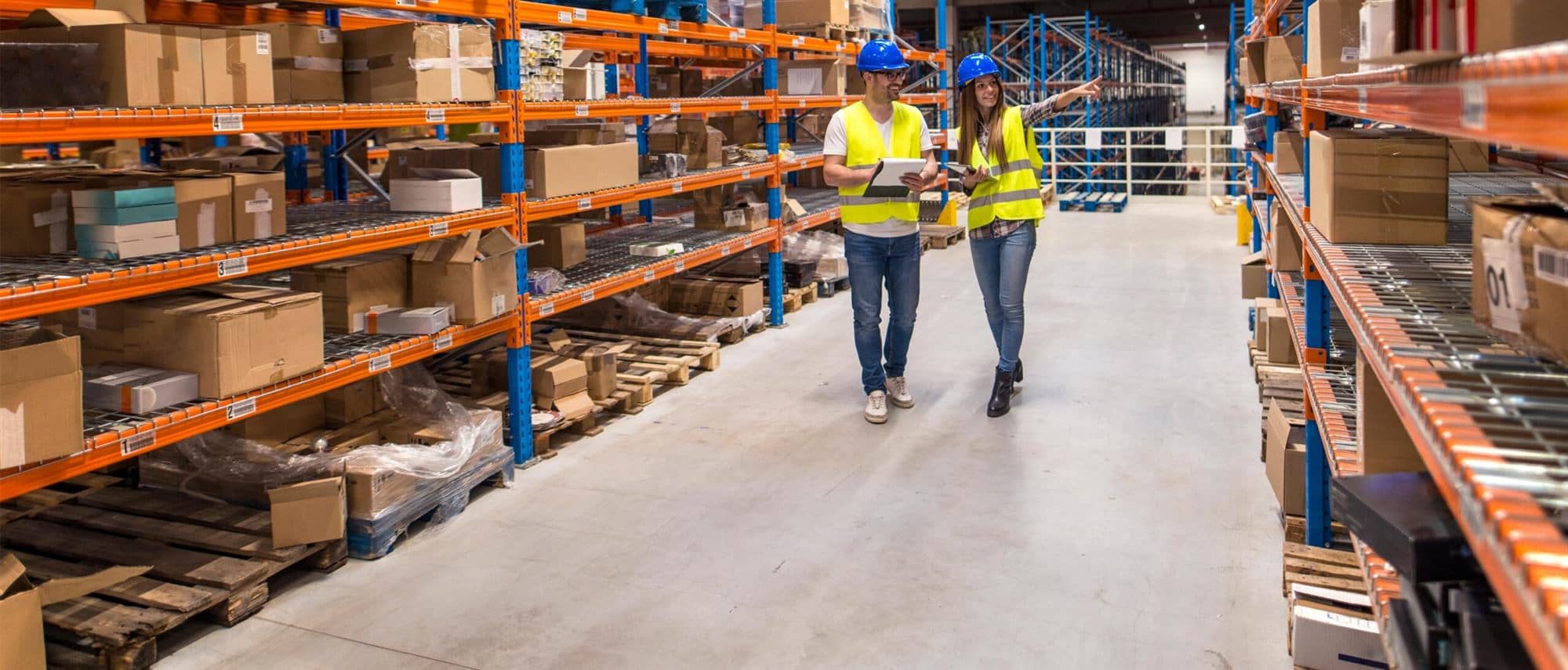
- Clear warehouse structure. Fixed or logical locations make picking fast and accurate; disorder almost always means extra work.
- Traceability at every step. When picking and packing are registered in the system, it is easier to follow order status, detect errors and stay in control. See scanning at every step.
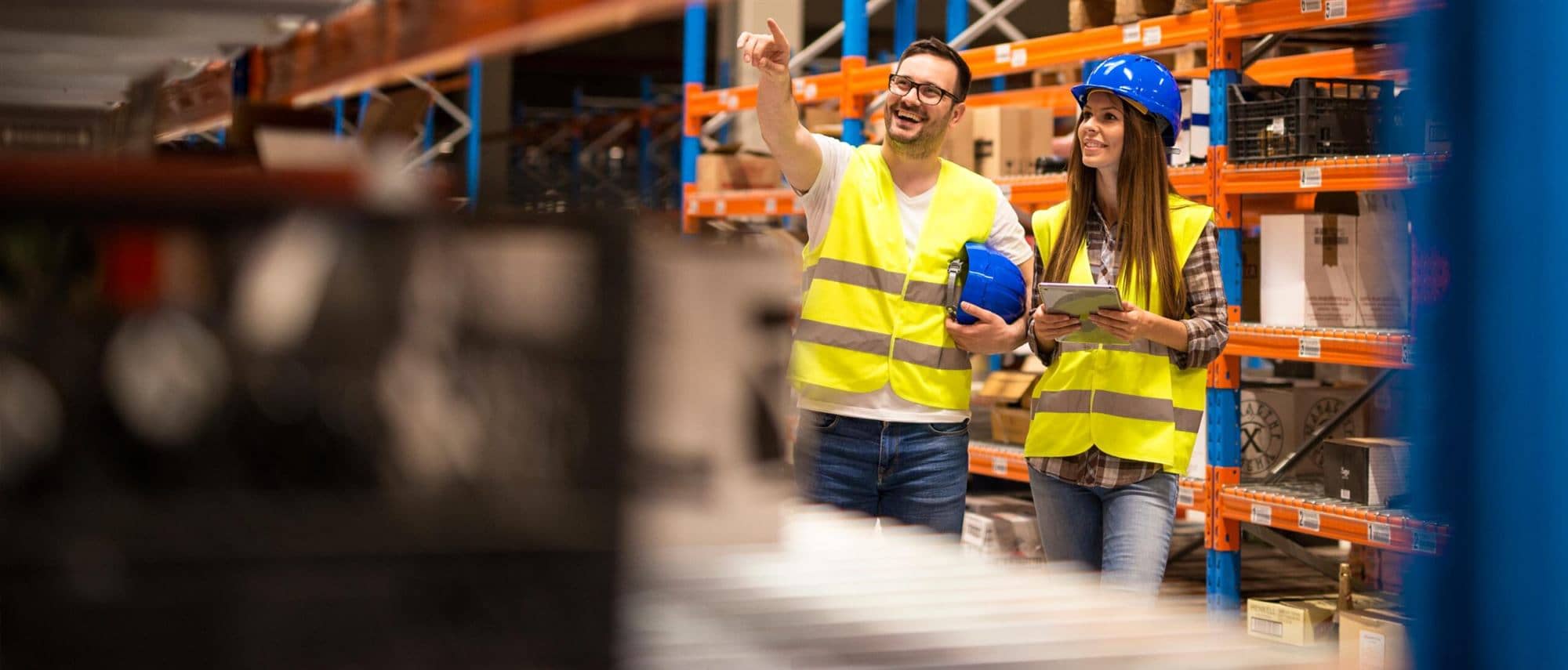
- Routines that hold at peaks. Campaigns, high season and growth need ways of working that cope with sudden volume increases.
- The right balance between pace and accuracy. Fast, but not at the expense of quality.
When a strong logistics partner matters most
When order volumes grow quickly, you run campaigns or seasonal peaks, the range becomes broader and more complex, mis-picks start causing customer problems, or in-house warehouse work takes too much time. An experienced partner brings structure and lets you grow without logistics slowing you down. See ecommerce fulfillment.
Frequently asked questions
What is order picking?
Collecting the right products from the warehouse based on an incoming order.
What is the difference between picking and packing?
Picking is collecting the right goods from storage. Packing is checking them and putting them in packaging for delivery.
How does a logistics partner reduce mis-picks?
Through a clear warehouse structure, system support, scanning and check routines at every step.
This article is an English edition of content first published in Swedish by Karlholm Logistics. It explains common practice and describes how a setup can work; the exact scope for your business is agreed during onboarding.