What pallet breaking is
Goods that arrived together on a pallet are divided into smaller units: breaking a full pallet into cartons, splitting goods between customers, or moving part of the goods to other locations for small-item picking. It is common where goods arrive in large volumes but are picked and shipped in smaller quantities – the link between inbound bulk and a more detailed order flow.
Why it matters in 3PL
A 3PL warehouse often handles several kinds of flow at once: some customers get full pallets, others order smaller quantities or single cartons. Pallet breaking lets the partner adapt the goods to actual outbound needs:
- turning large inbound deliveries into smaller, pickable units
- improving availability for small-item picking
- creating better order in the warehouse
- preparing goods for different customers and deliveries
- making order handling more flexible
This is particularly important in warehouses handling both B2B and B2C. See B2B vs B2C logistics.
When pallet breaking is needed
When goods arrive on pallets but do not leave in the same form – for example when suppliers deliver large volumes, different customers need different quantities of the same goods, part of the pallet goes to pick locations or shelves, the warehouse handles both pallet goods and carton goods, or ecommerce is combined with B2B deliveries.
How it works in practice
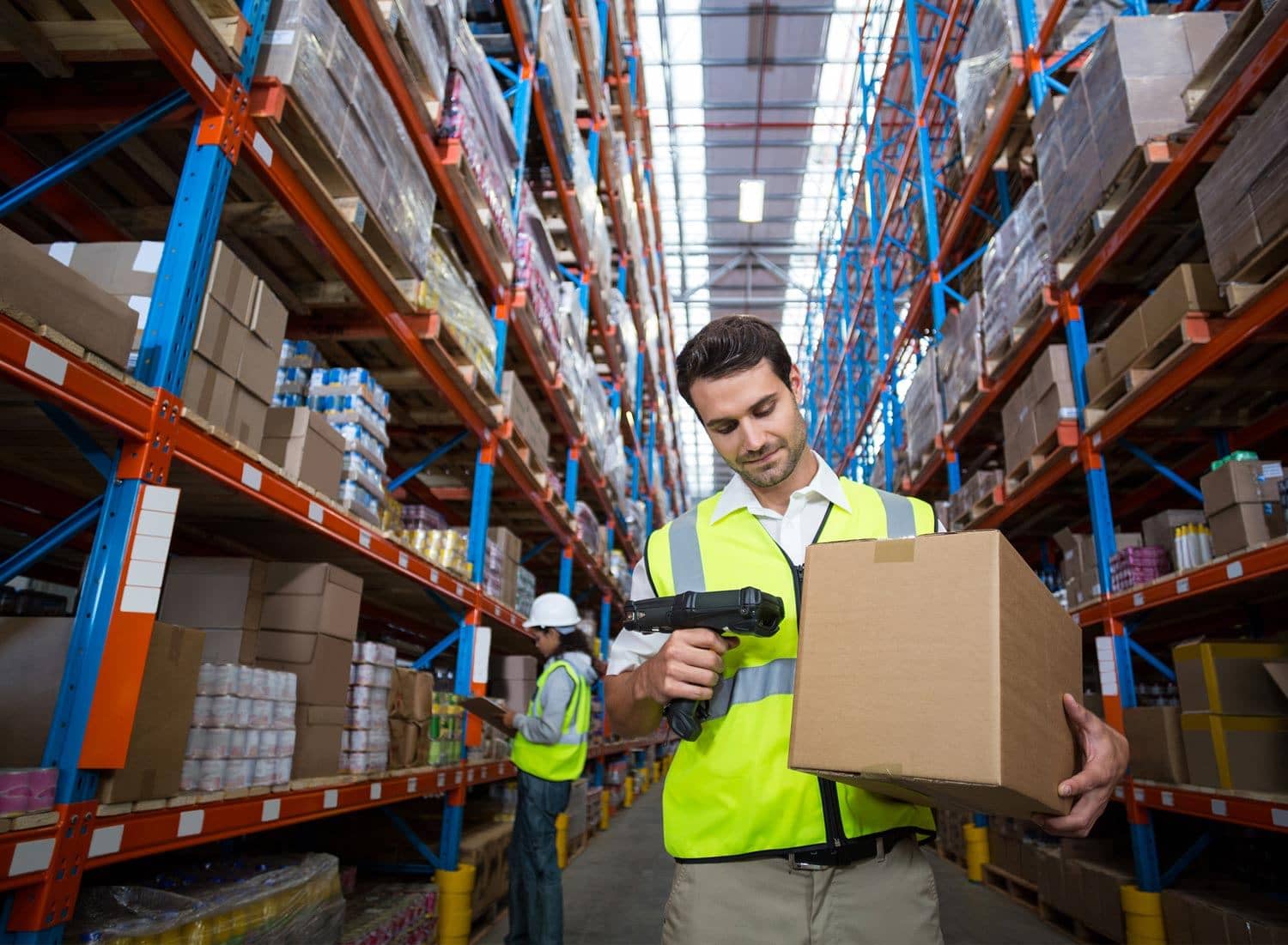
- The pallet is received through normal receiving: checked, registered and placed in the receiving flow or a temporary location.
- The pallet is broken down into smaller units – at receiving or later, when goods need to be available for picking.
- Goods are sorted and located correctly. Some items go to shelves for small-item picking; others stay in larger units for later dispatch.
- The flow is updated in the system, so it is clear where the goods are and how they should be handled.
How it improves order handling
When products are in the right form and the right place when an order arrives, picking is faster and the warehouse more efficient: better access for small orders, the ability to combine delivery sizes, better order in the warehouse, higher picking speed and better traceability.
What good pallet breaking requires
- Clear work areas to break and sort pallets without disturbing other flows.
- Structured placement so the goods are easy to find and pick later.
- Scanning and system support so the stock balance stays reliable. See scanning at every step.
- The right method for each type of goods, depending on size, weight and how it is delivered.
Without structure, goods become hard to find, stock balances less reliable, small orders slow to pick, space poorly used and manual work grows.
Pallet breaking is part of our 3PL service at Karlholm Logistics – see pallet handling and value-added services.
This article is an English edition of content first published in Swedish by Karlholm Logistics. It explains common practice and describes how a setup can work; the exact scope for your business is agreed during onboarding.