What scanning at every step means
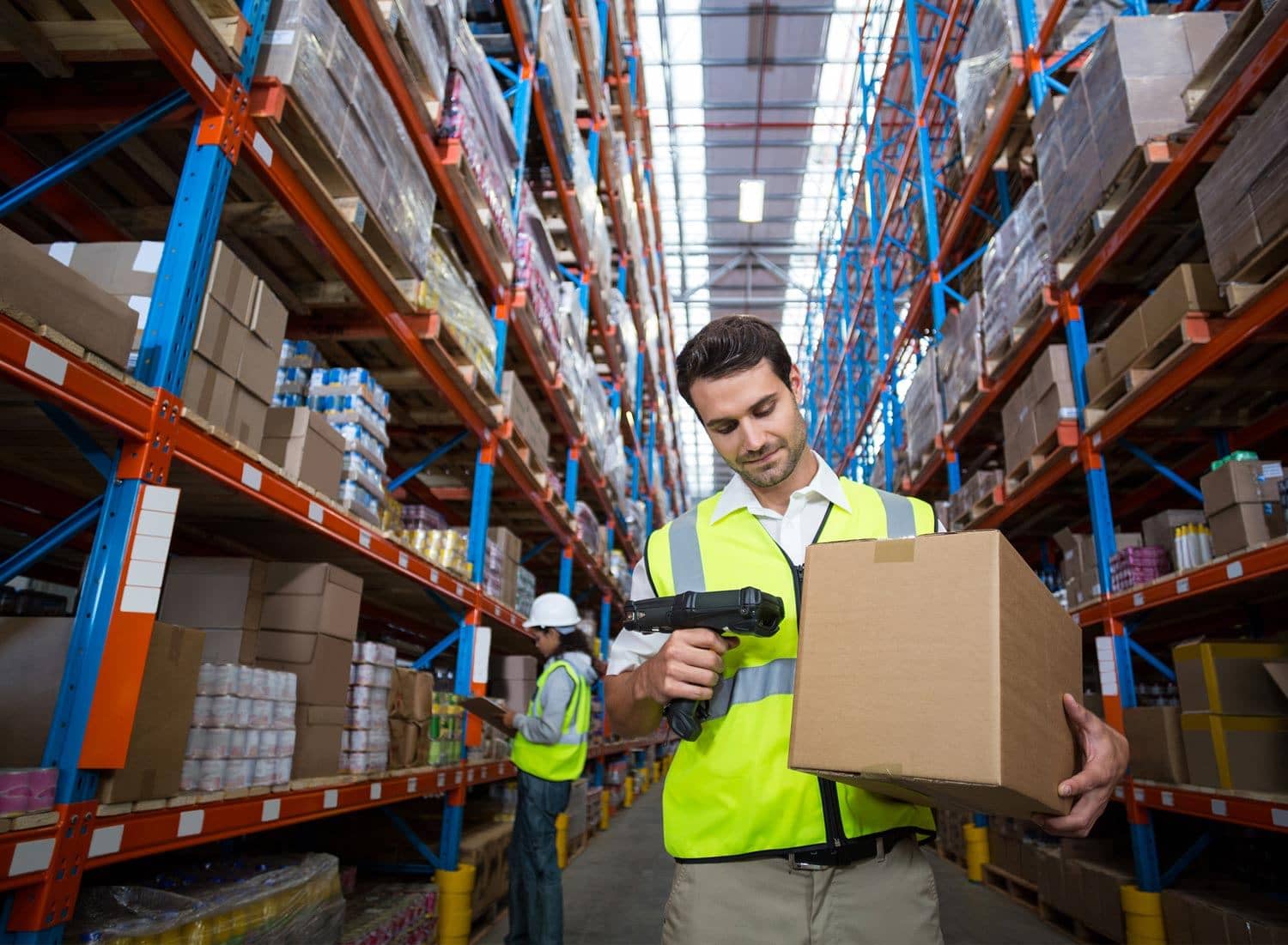
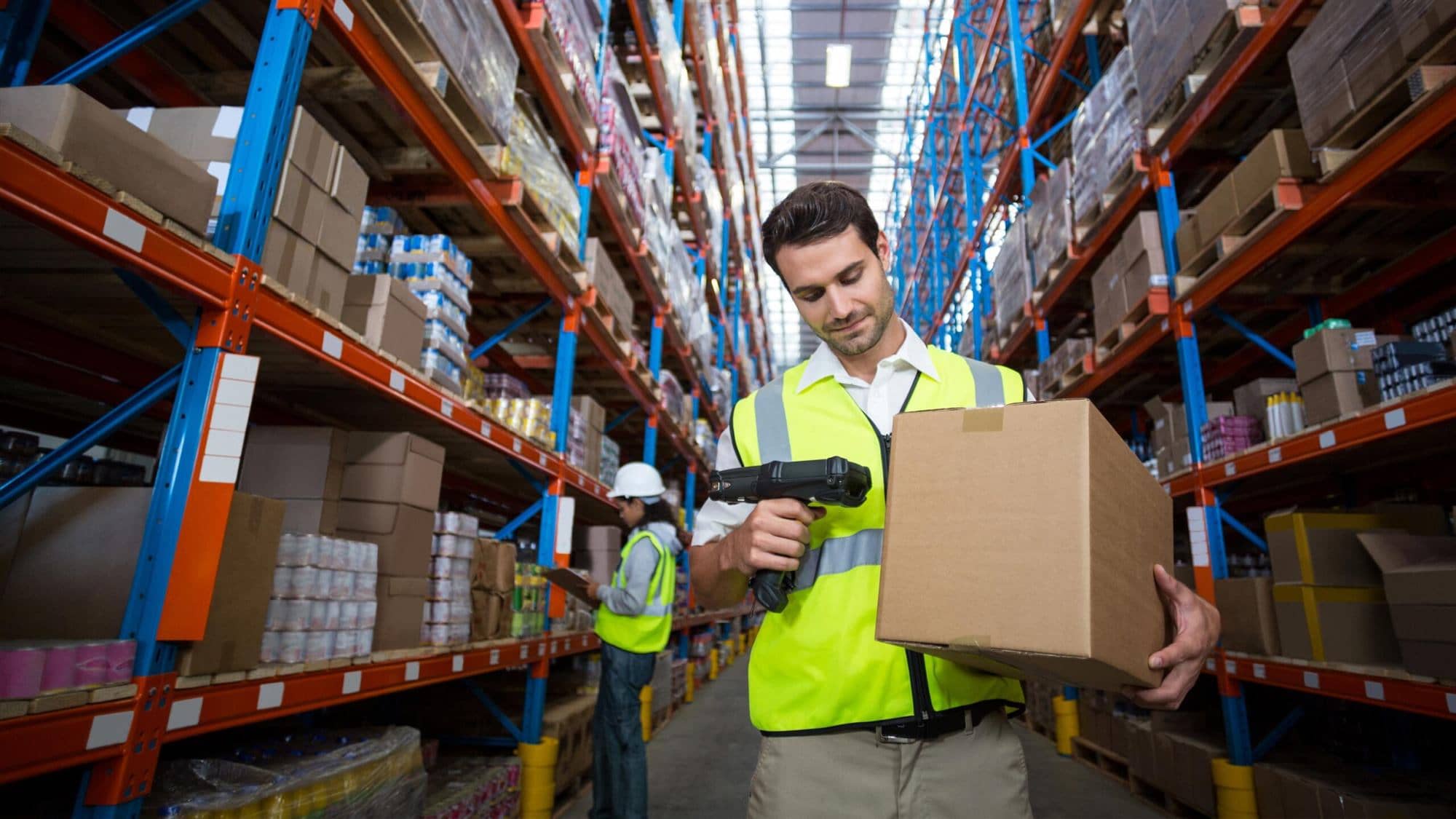
Goods, packages or tasks are registered digitally during several parts of the flow – at receiving, putaway, picking, packing and dispatch. Instead of relying on manual notes or verbal handovers, movements are recorded directly in the system, creating traceability and making the warehouse easier to follow up.
Why it matters
The more items, orders and tasks a warehouse handles, the greater the need for control. Small mistakes early can have knock-on effects later. With systematic scanning it is easier to see where an error occurred, what was registered and what the flow actually looks like in real time:
- better control of the warehouse
- stronger traceability at every step
- fewer manual mistakes
- easier follow-up of orders and deliveries
- more reliable stock balances
Where scanning is used
| Step | What scanning does |
|---|---|
| Receiving | Registers what has come in and links the goods to the right flow from the start. |
| Putaway | Records where goods are placed, making them easier to find and the balance more precise. |
| Picking | Confirms that the right products are picked for the order. |
| Packing | Strengthens control that the right order is on its way out. |
| Dispatch | Registers that the delivery has left, giving a clear basis for follow-up. |
How scanning reduces errors
Many warehouse errors happen when information is lost, misread or handled manually across several steps. Scanning makes registration more direct and consistent. Not every error disappears, but it becomes easier to prevent mis-picks, catch errors earlier, have a clear history when something needs following up and build better quality-control routines.
It also reduces dependence on memory, manual lists and uncertain hand-offs – making it easier to see where an item is, follow an order through several steps, spot deviations faster and avoid unnecessary troubleshooting. This is especially valuable in warehouses with many items, varied order types or both B2B and B2C.
Scanning and traceability go together
Traceability means being able to follow what has happened to an item, package or order through the flow – which requires that events are actually registered. When several steps are documented digitally, both the logistics partner and the customer can understand the current situation, follow deliveries and handle questions or deviations professionally. See traceability.
Who benefits most
Companies with many items in stock, many daily orders, both pallet goods and small-item picking, a need for stronger control in a 3PL setup, or a need for better follow-up of stock and deliveries.
Without scanning
Weaker traceability, more mis-picks, less reliable stock balances, more manual work and harder follow-up of deviations – affecting not only warehouse staff but also the customer experience and your ability to control your logistics partner.
At Karlholm Logistics everything we handle is scanned, and you can follow your stock and deliveries in Ongoing WMS instead of relying on manual updates.
This article is an English edition of content first published in Swedish by Karlholm Logistics. It explains common practice and describes how a setup can work; the exact scope for your business is agreed during onboarding.