For companies working with pallet goods, larger packages or recurring B2B deliveries, forklift handling is part of everyday operations. It takes the right equipment, clear routines, good warehouse structure and a flow that works on normal days and in busier periods.
What unloading and loading mean
Unloading means taking incoming goods off a truck or other vehicle – often by forklift – and moving them to the receiving area or further into the warehouse. It is often the first physical step, so it affects how smoothly receiving, checking, registration and putaway work.
Loading is the reverse: outgoing goods are prepared and put on board the transport vehicle – full pallets, smaller shipments or mixed deliveries. Incorrect loading can cause problems in transport, delay deliveries or increase the risk of damage.
Why it matters
Loading and unloading connect the warehouse with the rest of the supply chain. Done well, they give:
- better structure in incoming and outgoing flows
- less risk of damage and mishandling
- stronger control of the goods
- a smoother path to receiving or transport
- better conditions for delivery precision
Unloading in an efficient warehouse flow
- Goods arrive at the loading zone. Receiving is prepared: the warehouse knows what is coming, what type of goods and how they should be taken in.
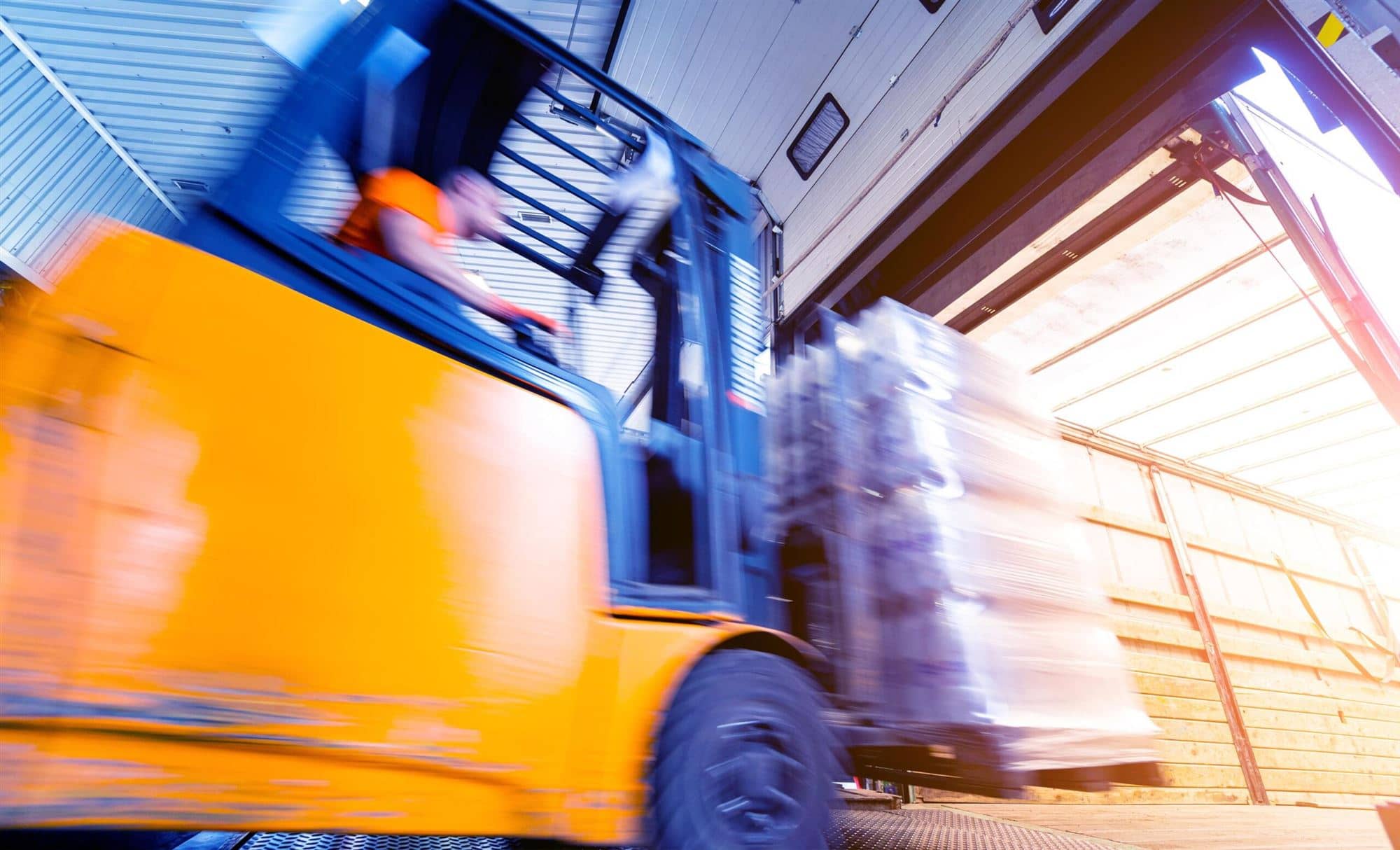
- Goods are unloaded by forklift. Pallets or heavier packages are moved from the vehicle to the receiving area in a calm, safe and methodical way.
- The delivery is checked. Number of packages, labelling, visible damage and whether the delivery matches the expected contents.
- Goods move on. They are registered, labelled and put away – see goods receiving.
Efficient unloading keeps receiving areas from being overloaded, brings order from the start and avoids queues and confusion later.
Loading in an efficient warehouse flow
- Goods are prepared for dispatch. The right goods are picked, checked and staged, with dispatch clearly planned so goods are loaded in the right order.
- The vehicle is loaded by forklift. Safety and accuracy matter.
- Loading is followed up. It must be clear what has been sent, how much and to which recipient – for internal control and traceability.
Well-organised loading means the right goods go with the right transport, deliveries leave on time with the right contents, and there are fewer damages and errors before goods leave the warehouse.
Who benefits most
Companies working with pallet goods, carton goods in larger volumes, recurring B2B deliveries, heavy or bulky goods, or setups where goods come in and go out in larger units – and generally anyone with recurring inbound and outbound flows. See pallet goods and carton goods and heavy goods handling.
When the flow does not work
Delays at receiving or dispatch, difficulty putting goods away quickly and correctly, more damage, a more stressful work environment, harder follow-up and poorer delivery precision.
Safety and structure go hand in hand
Forklift handling is not just about pace. Clear loading zones, orderly tasks and correct handling reduce the risk of accidents and damage while improving efficiency – and when safety works, quality usually improves too, because the work becomes more predictable.
Scanning in loading and unloading
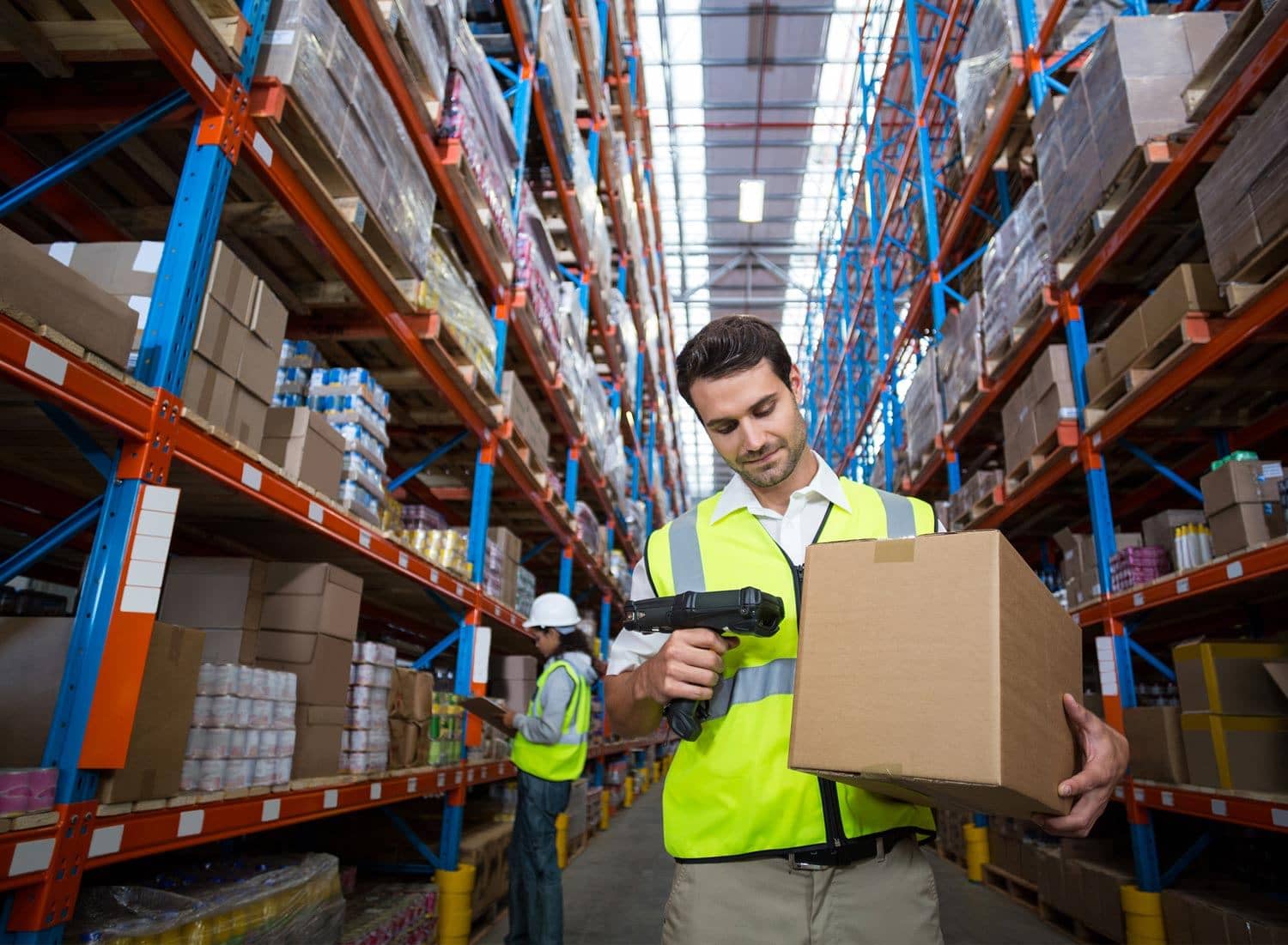
At Karlholm Logistics everything we handle is scanned, and you can follow stock and deliveries in our warehouse management system. Scanning at loading and unloading makes it easier to follow the goods flow, catch deviations and control what has actually come in or left the warehouse.
Questions to ask a warehouse partner
- How is incoming goods received?
- How is outgoing loading organised?
- How is the goods flow followed up?
- Is there scanning and clear control in these steps?
- Can the setup handle both small and large deliveries?
Truck unloading and loading are part of our 3PL service – see pallet handling and container unloading.
Frequently asked questions
What is forklift unloading?
Incoming goods are unloaded from a truck or other vehicle by forklift and brought into the warehouse flow.
What is forklift loading?
Goods are loaded from the warehouse onto a transport vehicle by forklift before dispatch.
How does scanning help in loading and unloading?
Scanning makes it easier to follow the goods flow, strengthens control and reduces the risk of errors or missing information.
This article is an English edition of content first published in Swedish by Karlholm Logistics. It explains common practice and describes how a setup can work; the exact scope for your business is agreed during onboarding.