For companies with larger products, pallet goods or odd-sized goods, heavy goods handling is often central to the whole logistics setup. Done well, it gives better control, higher safety and stable deliveries; done badly, it quickly leads to delays, damage and extra work.
What heavy goods handling means
Receiving, storing, moving and delivering goods that are heavier, larger or more demanding than standard shipments – goods on pallets, larger packages, bulky products or items that need extra floor space and special tasks. They cannot be treated like small items on shelves; they need more planned flows, forklift handling and clearer structure at receiving and dispatch.
Why heavy goods need a different setup
- they often need more floor space
- moving and placing them usually requires a forklift
- loading zones and aisles need to be adapted
- tasks require clearer safety routines
- dispatch and loading need careful planning
Not every warehouse is built for heavy goods, even if it works well for other types.
What a safe flow requires
- The right space. Heavy or bulky goods need room at receiving, in storage and at dispatch. Cramped spaces slow handling and increase the risk of damage.
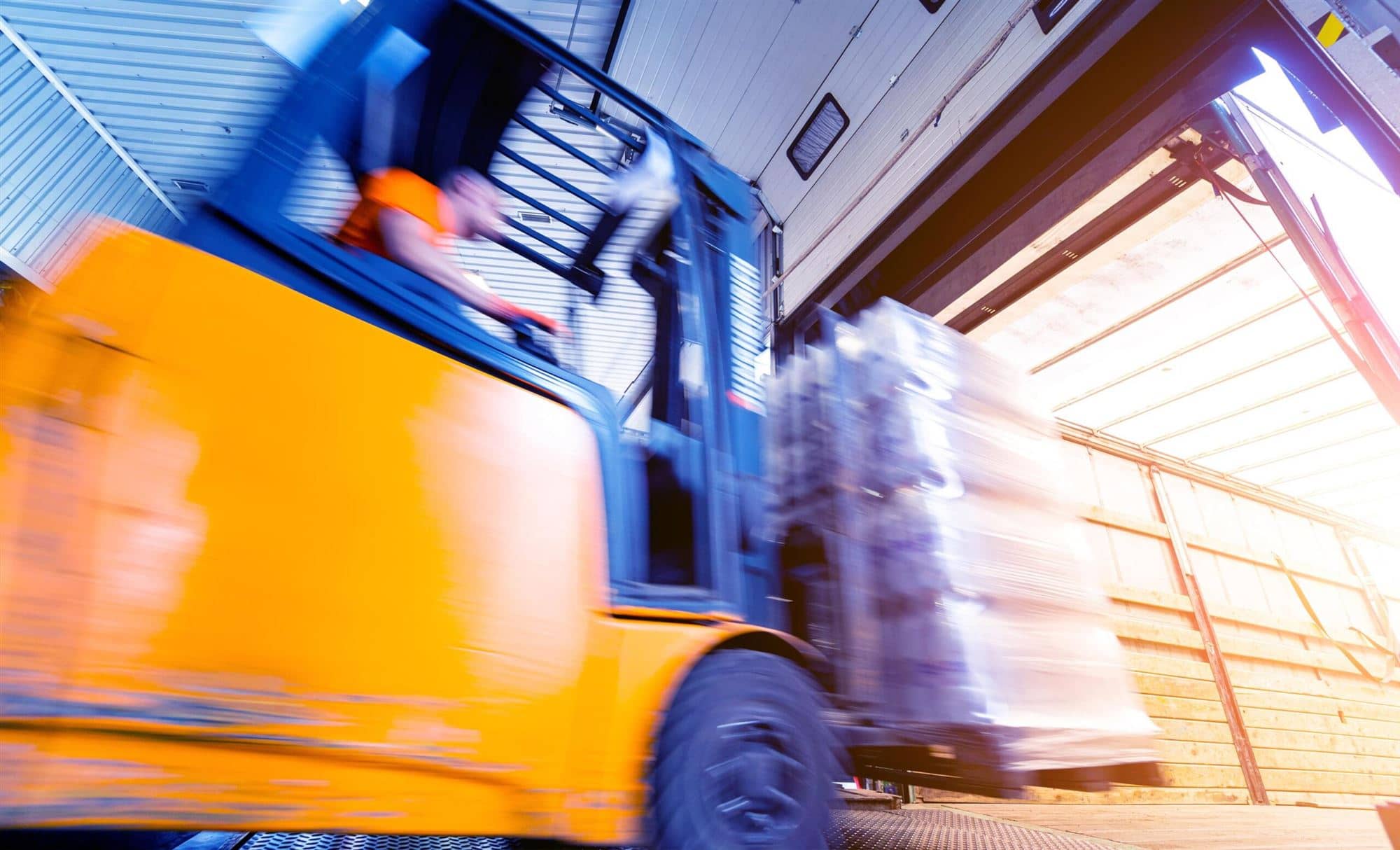
- Adapted forklift handling. Truck unloading and loading become central – with the right equipment and clear routines for how goods are received, moved and loaded. See loading and unloading.
- Clear warehouse structure. Placement should be based on weight, size and how often the goods are moved or shipped.
- Safe working routines. Clear zones, methodical handling and order in every step make a big difference.
What a smooth flow requires
Safety is decisive, but heavy goods must not become a brake on logistics. A smooth flow needs good planning at receiving, clear registration and traceability, quick access to the right goods at dispatch, logical placement and routines that hold under heavier load.
Who needs good heavy goods handling
Companies with larger products, pallet goods or items that need more than shelf handling – for example B2B deliveries, construction-related products, industrial goods or goods that take a lot of floor space – and companies combining several types of goods in one setup.
When heavy goods are handled wrongly
Goods become hard to place and move, dispatch takes longer than necessary, the risk of damage rises, the warehouse becomes stressful and hard to manage, and safety suffers.
Heavy goods in a 3PL setup
When choosing a 3PL, warehouse space alone is not enough. The partner must be able to handle larger, more demanding flows with the right equipment, tasks and structure. When heavy goods sit in the same setup as the rest of your logistics, the flow from receiving to storage and dispatch becomes more coherent.
At Karlholm Logistics we handle everything from small-item picking on shelves to heavy goods and odd-sized items that need a lot of floor space – including truck unloading, truck loading and heavy goods handling. See pallet handling.
Questions to ask a logistics partner
- Can you handle goods that need a lot of floor space?
- How do truck unloading and loading work?
- How do you work with safety around heavier goods?
- How are heavy goods located in the warehouse?
- How do you ensure traceability and control?
This article is an English edition of content first published in Swedish by Karlholm Logistics. It explains common practice and describes how a setup can work; the exact scope for your business is agreed during onboarding.